10 Oct 12:00
Marco de Ana: The Power of Protest
Open performative flamenco workshop
Noches de Tablao Series
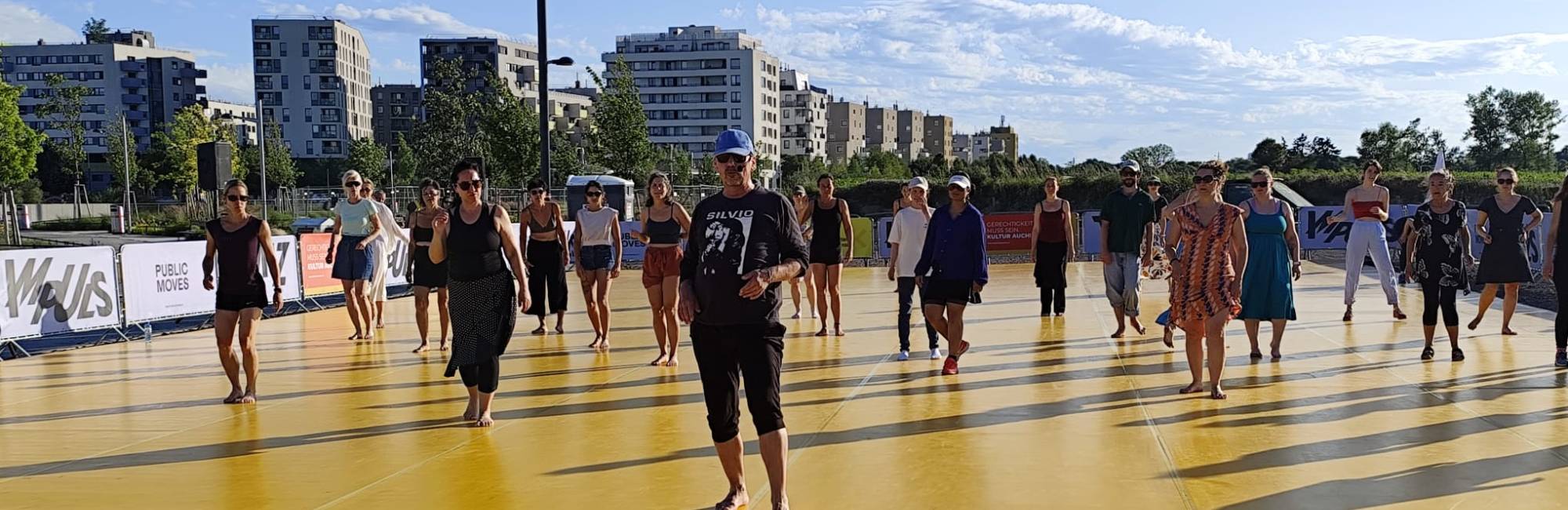
What if it were possible to dance a protest?
The Power of Protest is a participatory project by dancer and choreographer Marco de Ana that transforms flamenco into a tool for collective expression. Drawing on the rebellious and popular traditions of flamenco, it invites participants to explore the body, rhythm and movement as forms of social expression and public engagement in taking a shared stand.
Through a simple choreography accessible to people of all ages and levels of experience, participants discover new ways of inhabiting a shared space, experience the power of collective action and transform dance into a space for encounter, reflection and celebration. The project is open to both active participants and spectators.
Accompanied by the music of David Rodríguez ‘Chupete’ and the text by Pedro G. Romero, the project connects the historical memory of flamenco with issues confronting contemporary society, highlighting art’s capacity to build community, encourage critical thinking and open up space for active civic participation. The workshop is therefore also a performance – and, more than a protest, a celebration of community.
Buy tickets

Foto: Reinhard Mayr
Choreography and text, musical dramaturgy and dance: Marco de Ana
Music, musical direction and percussion: David Rodríguez ‘Chupete’
Concept and text: Pedro G. Romero
Production: Zavod NEST
Opening Ceremony: Friday, 23 October 2026, 18.00
Some objects merely occupy space, while others actively shape it. Through their presence, proportions and character, they define its atmosphere, guide our movements and open up possibilities beyond their intended function. Primož Jeza’s objects belong to the latter category. Their distinctive artistic language combines formal refinement, technological inventiveness and a unique sense of irony that transcends conventional solutions. Each object is an independent spatial player, while also contributing to a broader reflection on how design can create new ways of using space and living in it.
The exhibition presents a selection of works from various periods of Primož Jeza’s career. From individual creations to developed product families, it reveals a continuity of design that eludes stylistic definitions and fleeting trends. Modernist clarity meets experimentation, technical precision meets imagination, while distinctive forms invite different interpretations.
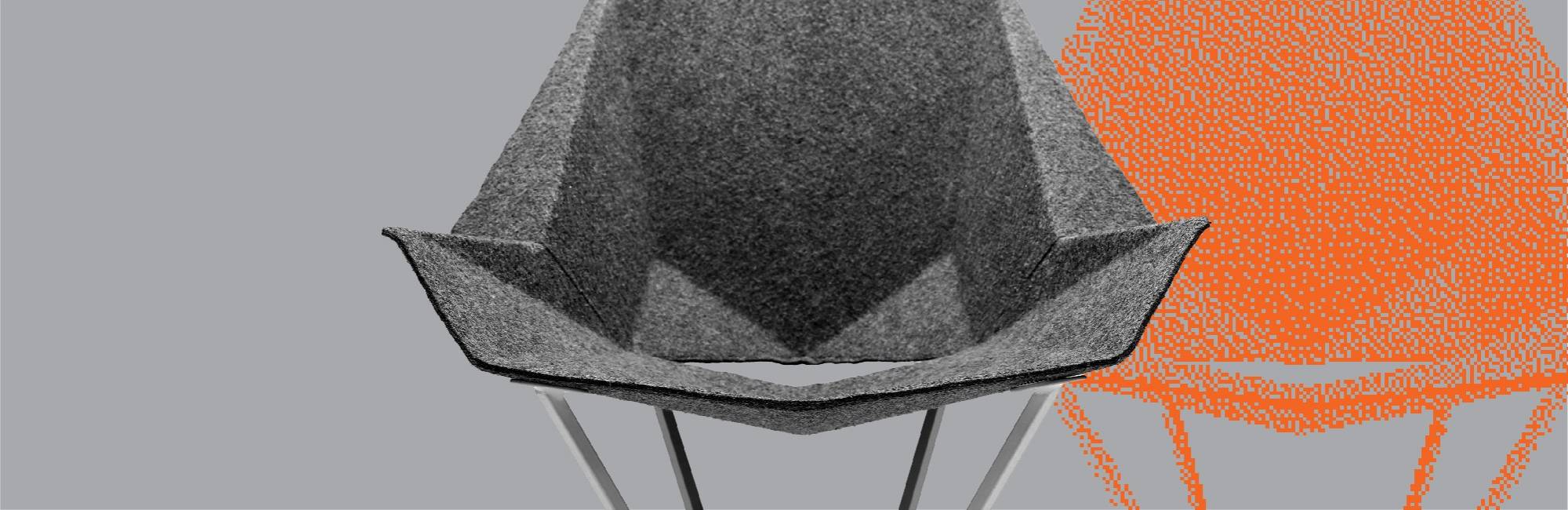
At the heart of the exhibition is Nico Less, a chair that draws on and builds upon the legacy of Slovenian industrial design through contemporary materials, technologies and production approaches. A tribute to the great Slovenian industrial designer Niko Kralj, it goes beyond a mere design reference, carrying forward a modernist exploration of structural logic, functionality and the possibilities of serial production. A thermoformed felt shell replaces traditional pressed plywood, while its well-considered design allows for the development of various typological and functional variations. Nico Less is thus not a finished product, but rather the starting point for a comprehensive furniture system. Variations in bases, proportions, materials and intended uses generate a family of related pieces that, while maintaining a shared identity, address the diverse needs of contemporary living. It is precisely in the relationship between a distinctive foundation and the unrestricted freedom of further development that the essence of Jeza’s method is revealed: the design concept is not a definitive solution, but a structure that facilitates change, adaptation and new interpretations. Alongside the main collection, VE ZOFA, FRANKENSTEIN’S BRIDE and NICO LESS BACKPACK extend the principles of modularity and adaptability to other spatial contexts, while the experimental ONEANDHALFMILLIONCHAIR opens up a space for freer artistic expression.
The exhibition in Cankarjev dom’s Grand Reception Hall is not conceived as a chronological overview, but rather as a dialogue between objects, their typological characteristics and variations in their execution. It traces a creative practice that does not build its identity on the finality of form, but on the capacity for continual reinvention.
More than a furniture exhibition, OBJECTS is a reflection on objects that exceed their immediate utility – a reflection on design that does not dictate how we live but makes room for life.
Exhibition author: Primož Jeza (PRIMOZJEZASTUDIO)
Exhibition layout and design: PRIMOZJEZASTUDIO and KABINET01
Project Manager: Ana Miklavž, KABINET01
CD Exhibitions Programme Director: Katarina Hergouth
CD Exhibition Organisers: Katja Ogrin and Damjan Gorenjc
CD Public Relations: Zvezdana Lazar Bursać
Exhibition setup: Cankarjev dom technical team
At the opening: Presentation of Primož Jeza’s monograph, OBJEKTI
Monograph design: Jaka Rozman, KABINET01
Production: Cultural and Congress Centre, Ljubljana; Designers' Association of Slovenia
Co-poroduction: Centre for Creativity
Buy tickets


In Slovenian, without translation.
A round table discussion on architectural photography, organised by the Architects’ Society of Ljubljana, will take place as part of the accompanying programme to the exhibition Sosedske sorodnosti / Le Affinità di confine / Border Affinities. The discussion will address the current state of architectural photography – a subgenre now positioned between the documentation of built architecture, digital visualisations, and the absence of systematic archiving of photographic collections.
The event will raise questions about the fundamental role of architectural photography: is it primarily a form of representation, interpretation, or critical reflection on space? What role does photography play in establishing the canon of contemporary architecture, and how does it shape perceptions of architectural history? While granting visibility and legitimacy to current spatial practices, architectural photography can – through framing, lighting, and contextual choices – produce partial or even misleading images of specific historical periods.
The discussion will also examine questions of authorship, the relationship between architect and photographer, the influence of media and social networks on image production, and the challenges of long-term preservation and accessibility of architectural archives. Particular emphasis will be placed on the responsibility of institutions and professional platforms in establishing systematic collections that enable future research and critical interpretations of space.
Panellists:
Miran Kambič, architectural photographer
An architect and architectural photographer who systematically documents contemporary and historical architecture in Slovenia and abroad. Kambič’s photographs have been published in numerous professional journals and featured in exhibitions, books, and catalogues.
Jana Jocif, architectural photographer
Trained as an architect, Jocif works professionally as a photographer. A significant part of her practice is devoted to architecture and cultural heritage, and she regularly contributes to professional publications. Her work explores the relationship between photography, memory, and the transience of space.
Urban Petranovič, architect, architectural visualiser, and photographer
Co-founder and partner at Arhitekti Počivašek Petranovič, an internationally recognised architectural firm, where he works as a designer, architectural visualiser, and photographer. He produces architectural visualisations for numerous Slovenian and international practices.
Tadej Bolta, architect and architectural & reportage photographer
An architect who, alongside his design practice, works in architectural and reportage photography, with a particular interest in documenting space through travel, landscape, and everyday use. His work combines architectural knowledge, spatial exploration, and field experience, resulting in visual narratives about the built environment across diverse cultural contexts.
Lenka Kavčič, architect, curator, and director of the Open House Slovenia Festival
An architect with experience in curating, spatial policy, and the management of architectural and cultural programmes. She is the founder of the AFRONT Institute and director of the Open House Slovenia Festival, which systematically promotes contemporary Slovenian architecture. She has also served as State Secretary at the Ministry of Natural Resources and Spatial Planning and as a visiting professor at the Politecnico di Milano.
Maja Vardjan, curator and director of the Museum of Architecture and Design (MAO)
An architect and curator who has been researching Slovenian architectural and design heritage, as well as contemporary creative practices, at the Museum of Architecture and Design since 2013. Appointed director of MAO in 2024, she develops research, exhibition, and archival programmes dedicated to architecture and design.
The discussion will be moderated by architect Andraž Lorger.

Buy tickets
Round table discussion on Architectural Photography
11 Mar 2026
17:00
11 Mar 2026
17:00
Show more
Admission free

Foto Kristina Bursać

Past event
23 Feb – 19 March 2026
Border Affinities.
Architecture between Friuli Venezia Giulia and Slovenia
The exhibition Border Affinities. Architecture between Friuli Venezia Giulia and Slovenia / Le affinità di confine. Architetture tra Friuli Venezia Giulia e Slovenia brings together two countries (Slovenia and Italy), two photographers (Miran Kambič and Roberto Conte) and two curators (Luka Skansi and Paolo Nicoloso).
Border Affinities. Architecture between Friuli Venezia Giulia and Slovenia
/ Le affinità di confine. Architetture tra Friuli Venezia Giulia e Slovenia reveals the century-long architectural dialogue between Slovenia and Italy in an as yet unseen way. With carefully paired diptychs, it uncovers surprising parallels between cities, cultures, and nations whose ties have always been closer than meets the eye, and raises questions about the boundaries in human memory, perception, and shared cultural space. The exhibition features eighty large-format photographs taken especially for the project, investing it with a rare visual, research, and documentary value. Exploring the parallels, similarities, and differences between architecture in Slovenia and Friuli-Venezia Giulia in the last 150 years, the project perceives space as a historical document, a cultural bond, and a live medium of human identity.
The chosen reference point for this exploration is the diptych, i.e. the side-by-side juxtaposition of images of buildings constructed in the two countries.
The Slovenian part of the presentation features prominent architectural landmarks, including works by Jože Plečnik, Edvard Ravnikar, Oton Jugovec, and Boris Podrecca, as well as projects by younger architects, including the architectural firms Arrea, Bevk Perović arhitekti, Dekleva Gregorič arhitekti, Ofis arhitekti, and others. The exhibition raises fundamental questions about how buildings separated by a distance of a few tens or hundreds of kilometres tend to show surprisingly similar cultural ambitions, and how architectural form displays the political and social ideologies of various historical periods.
The exhibition explores how history has the power to imprint itself on both urban and architectural fabric and how these layers of time continue to shape our perception of the region today. Organized into chronological chapters, from the Austro-Hungarian era, the interwar years, the socialist Yugoslavia, and the post-war modernization and transformation of the region, Border Affinities reflects the depth of architectural dialogue between two geographically close yet historically divided realities over the last century and a half.
The exhibition Border Affinities. Architecture between Friuli Venezia Giulia and Slovenia / Le affinità di confine. Architetture tra Friuli Venezia Giulia e Slovenia was on view in Trieste, at the Magazzino delle Idee (Warehouse of Ideas), between 3 July and 30 November 2025, and formed part of the accompanying programme for GO! 2025 – European Capital of Culture Nova Gorica/Gorizia. The newly staged exhibition in Ljubljana’s Cankarjev dom presents the Slovenian public with an engaging visual narrative, a multifaceted portrait of the shared architectural and cultural history of two regions, two nations, and two neighbouring cultural spaces.
Buy tickets
Past event
9 May 2025 17:00
Environmental Aspects of Wood Processing and Use
Lecture and Guided Tour by Prof. Dr. Franc Pohleven at the Charm of Wood 2025 Exhibition
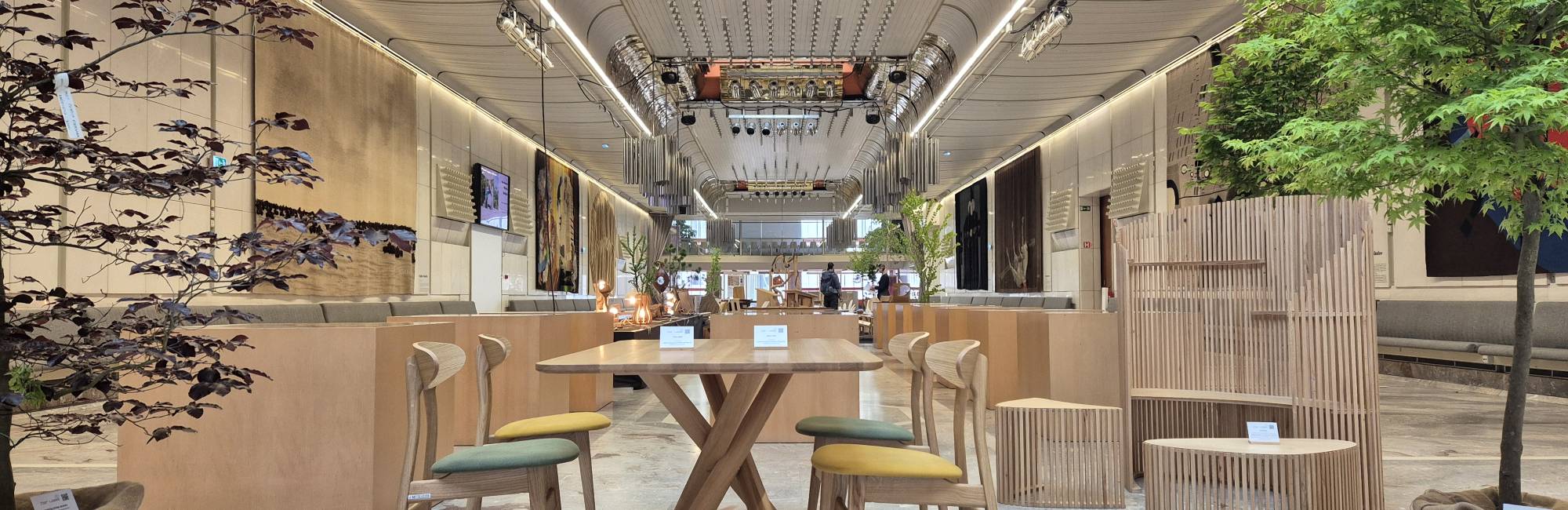
As part of the Charm of Wood 2025 exhibition, which will be on display at Cankarjev dom in Ljubljana from the afternoon of 5 May through 11 May 2025, Prof. Dr. Franc Pohleven will deliver a lecture titled Environmental Aspects of Wood Processing and Use. Following the lecture, he will personally guide attendees through the exhibition.
The lecture is part of a series organized by the Natural Sciences and Technology Section of the Slovenian Matica. It is financially supported by the Slovenian Research and Innovation Agency (ARIS).
About Prof. Dr. Franc Pohleven
Prof. Dr. Franc Pohleven is an emeritus full professor at the Biotechnical Faculty of the University of Ljubljana. He began his scientific career researching mycorrhiza and, since the 1990s, has focused on wood pests (wood-decaying fungi and insects) and the development of environmentally friendly wood protection methods and products, particularly for objects and structures of cultural heritage. His research also includes the biotechnology of higher fungi. He has organized four international scientific congresses in Slovenia in these fields.
He served as head of the Slovenian Forest-Based Technology Platform (SGLTP) and was a board member of the EU Forest-Based Sector Technology Platform. He has also contributed to public policy as chair of the Forest-Wood Chain Council at the Ministry of Agriculture, Forestry and Food, and as a member of the Forest-Wood Working Group at the Ministry of Economic Development and Technology. Prof. Pohleven is a corresponding member of the Slovenian Academy of Engineering (IAS).
His extensive scientific collaborations include national and international research institutions such as the Jožef Stefan Institute, the Faculty of Chemistry and Chemical Technology, the University of Maribor, Imperial College London, TU Vienna, and the Federal Research Institute for Forest and Wood in Hamburg. In the fields of conservation and biotechnology, he has worked with the Metropolitan Museum of Art in New York and the Smithsonian Institution in Washington, D.C. In the area of edible and medicinal mushroom cultivation, he has cooperated with the Edible Mushroom Institute in Shanghai through bilateral research projects. He is the author of numerous scientific and professional articles and co-author of several patents, two of which have been brought into industrial production.
Prof. Pohleven has long been dedicated to promoting the use of wood for products and construction through voluntary efforts. Since 2009, he has organized the Charm of Wood exhibitions and events at Cankarjev dom and across Slovenia, raising public awareness of the importance of wood in mitigating climate change, protecting the environment, and safeguarding human health. He is also the initiator of the proposal to declare 13 May as International Wood Day.
Buy tickets
Environmental Aspects of Wood Processing and Use
9 May 2025
17:00
9 May 2025
17:00
Show more
Admission free
Past event
20 May - 2 June 2025
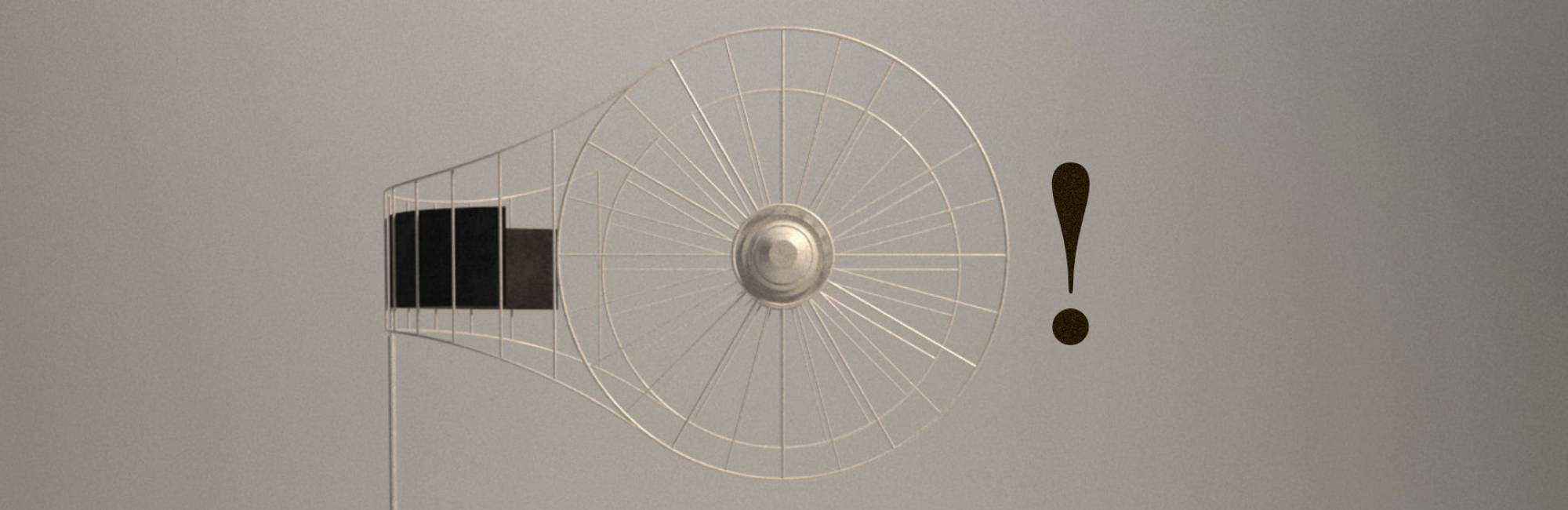
O!
Exhibition of the Academy of Fine Arts and Design, University of Ljubljana (UL ALUO)
An exhibition dedicated to outstanding final projects by students of Visual Communication Design, as well as Industrial Design and Applied Arts at the Academy of Fine Arts and Design (University of Ljubljana, UL ALUO), created over the past ten years. The exhibition forms part of the celebrations marking two jubilees: the 80th anniversary of the founding of UL ALUO and the 40th anniversary of design studies at the University of Ljubljana.
In addition to the UL ALUO team, the O! project involved a robot as a precision bender and welder of exhibition structures, as well as silkworms, subtle and persistent builders. Together they formed an unlikely alliance, allowing biology, technology and design to breathe as one. With the assistance of light and heat, the silkworms weave threads into new structures, while the robot regulates the cocooning conditions and humans develop the vision. Not simply a production – it is a living organism of creation where the natural and the artificial work together in perfect harmony, which is nonetheless unpredictable in terms of timeframe and result. So evocative, uncharacteristic of today's increasingly derailed, predictable time. Here, biodesign is not the future, it is an exciting present.
UL ALUO team: Assoc. Prof. Primož Jeza, Assist. Prof. Roman Ražman, Assist. Prof. Boštjan Drinovec, MA, Assist. Prof. Matej Stupica
Buy tickets
Past event
21 Feb - 16 March 2025
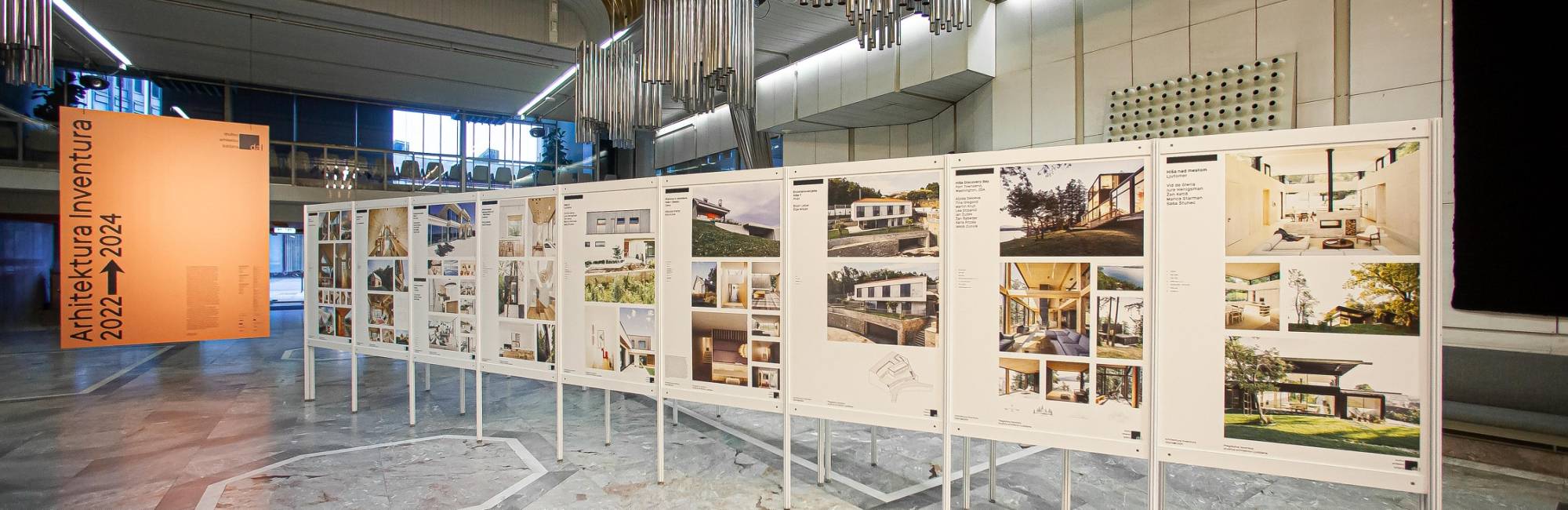
Architecture Inventory 2022–24
Responsibility Towards Space
Due to illness, today's lecture on Modern Self-Build has been cancelled. The new date is Friday, 11 March, at 18:00.
Biennial Exhibition of the Architects' Society of Ljubljana
Space is a finite, irretrievable commodity. With every intervention into space, we also change its context, ecosystems, usage and future potential. As architects, we are committed to protecting public space, the built and natural landscape, the meaningful preservation of the existing, and the continuity of technological know-how about building. On the other hand, we are also dedicated to well-considered land development and sensible urban densification, the development of new construction technology and the creation of spaces that allow for modern living and usage. Responsibilities towards the past, the existing and the future are not mutually exclusive.
How are the architect's responsibilities perceived in this day and age? Which values are particularly relevant to the environment in which architects work today? What is responsibility in architecture and which areas of practice does it affect? The Architecture Inventory exhibition, an overview of the projects implemented by the members of the Architects' Society of Ljubljana over the course of two years, reflects on architecture's responsibility towards space.
Architecture – Inventory is a traditional biennial survey exhibition of the members of the Association of Architects of Ljubljana. The 12th Architecture – Inventory show will present a cross-section of the work of the members of the Association over the past two years. The exhibition will showcase 117 architectural and 8 student projects by more than 100 architects, ranging from urban planning to architectural designs and renovations of public buildings, apartment buildings, single-family houses and interiors, as well as graphic and industrial design projects and written works dedicated to architecture.
The Architecture – Inventory show is the most comprehensive overview of architectural undertakings in our country, as the Association of Architects of Ljubljana, which also chairs the Association of Slovenian Architects' Societies, has again invited participation of architects from other Slovenian societies, as well as guest projects from the Europan Celje competition, and has selected eight projects by students from the Faculty of Architecture in Ljubljana.
Throughout the showcase, architectural lectures and roundtables will be held at the exhibition space under the common title New Spheres.
The accompanying programme devised and conducted by Ajda Bračič.
Contemporary self-building
FRI, 11 March, at 18:00
Anja Trobec
Vid de Gleria; STRIP Lab
Jernej Markelj; AaJM+
In Slovenian, without translation.
Flats, residential neighbourhoods
WED, 5 March 2025, at 17.00
Boris Matić; Scapelab
Aleksander Lužnik; NAVA Arhitekti
Boštjan Vuga; Sadar+Vuga
In Slovenian, without translation.
Architectural transformations
WED, 12 March 2025, at 17.00
Maruša Zorec, Arrea arhitektura
Matej Gašperič, Biro Gašperič
Matjaž Bolčina, ARP studio
Students: Maja Julijana Šket, Matic Hlede, Petra Zoubek
In Slovenian, without translation.
Buy tickets
16 June - 20 Aug 2024
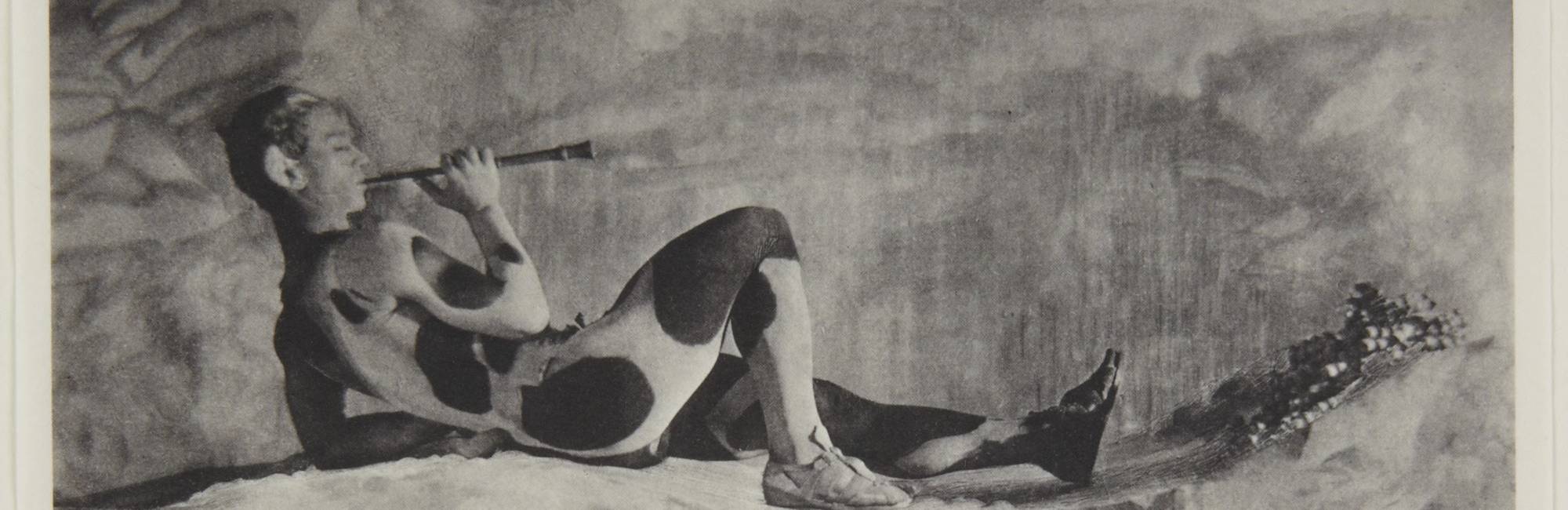
Nijinsky
The opening of the exhibition dedicated to Vaslav Nijinsky was also the opening of the 2nd International Dance Festival – Ballet Nights
On Tuesday, August 20, the exhibitions in the Cankarjev dom will be open until 6 pm.
Buy tickets
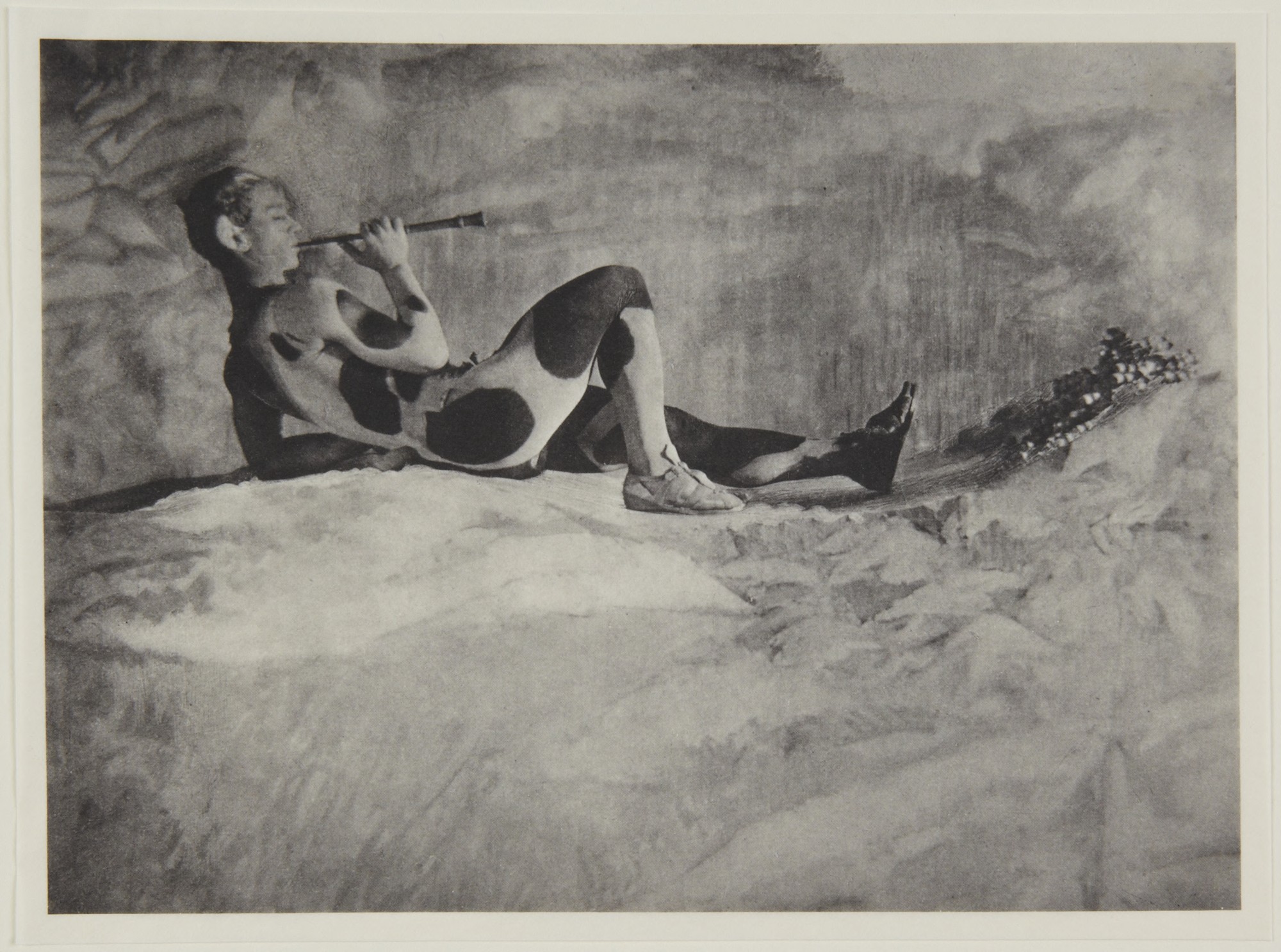
Nižinski kot Favn, foto: Adolph de Meyer

Past event
Until 30 Nov 2023
Searchings in Drawing, Findings in Thought
From the Legacy of Edvard Ravnikar
Curator and architect of the exhibition layout: Aleksander Ostan (FA)
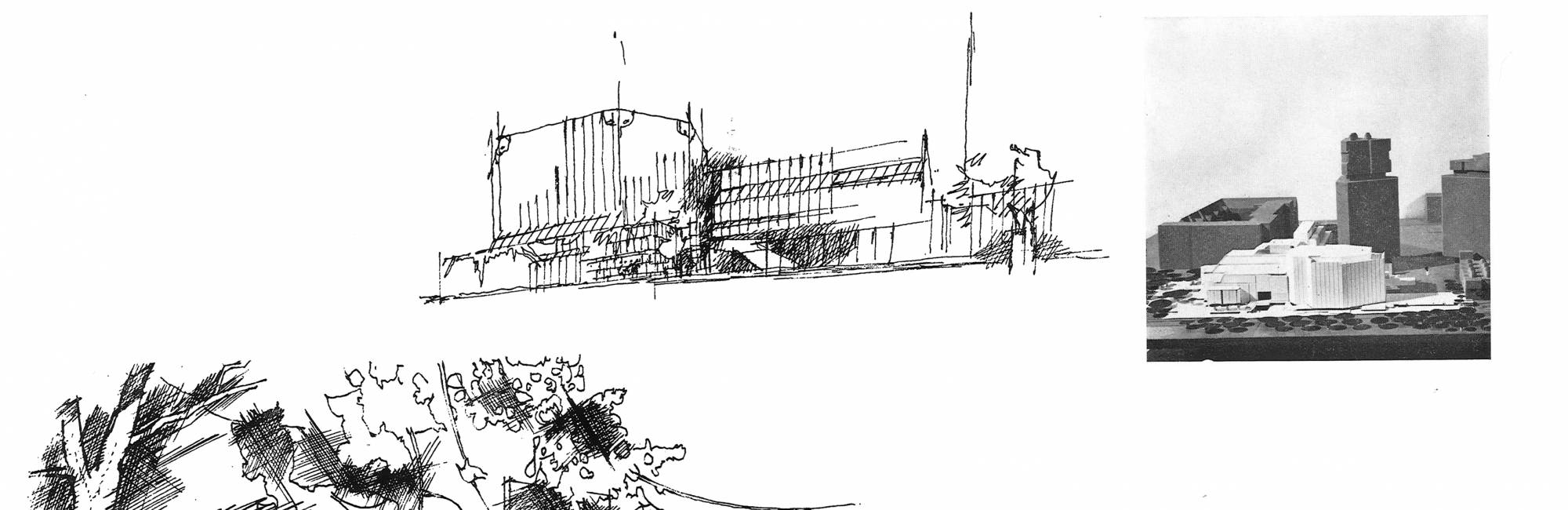
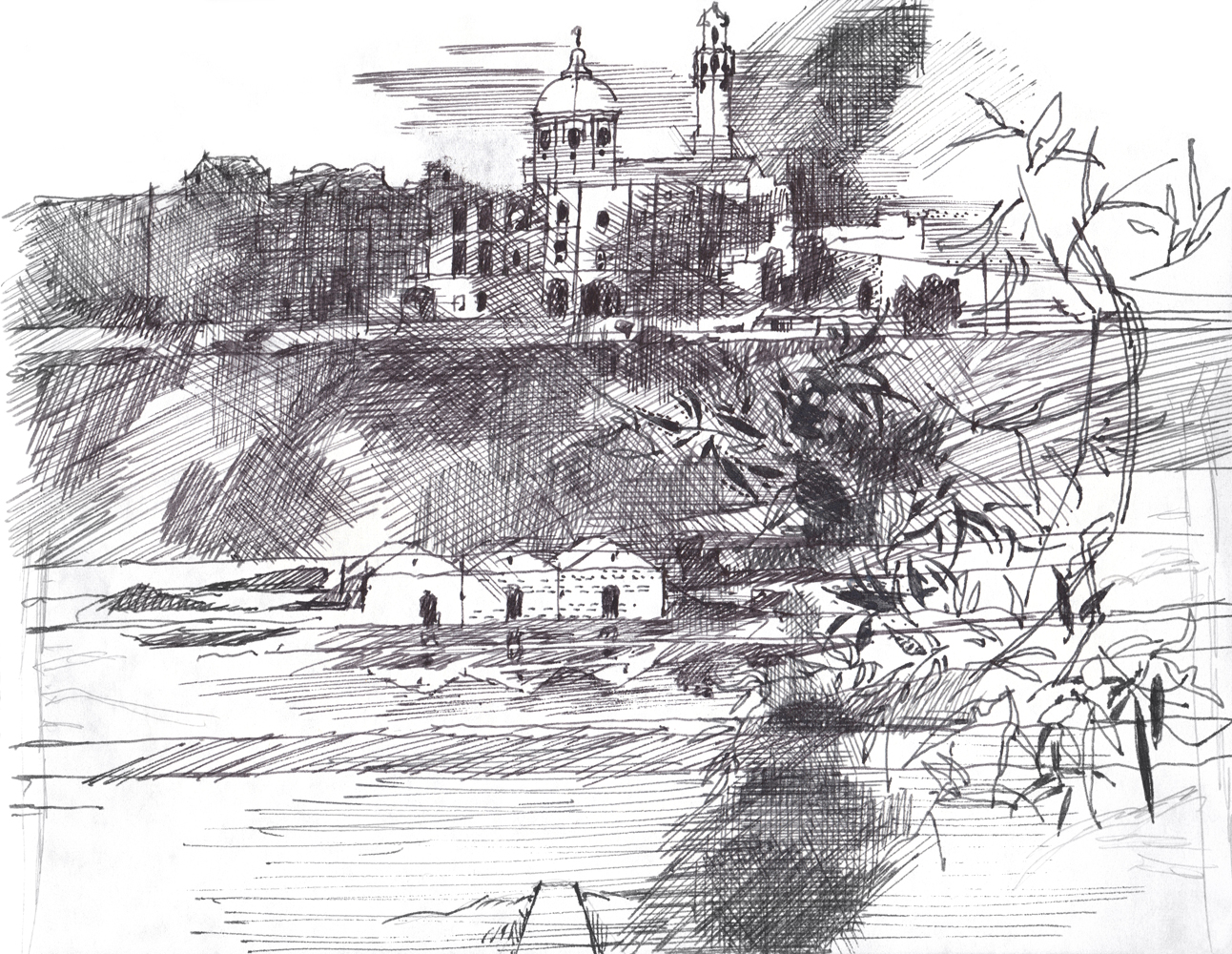
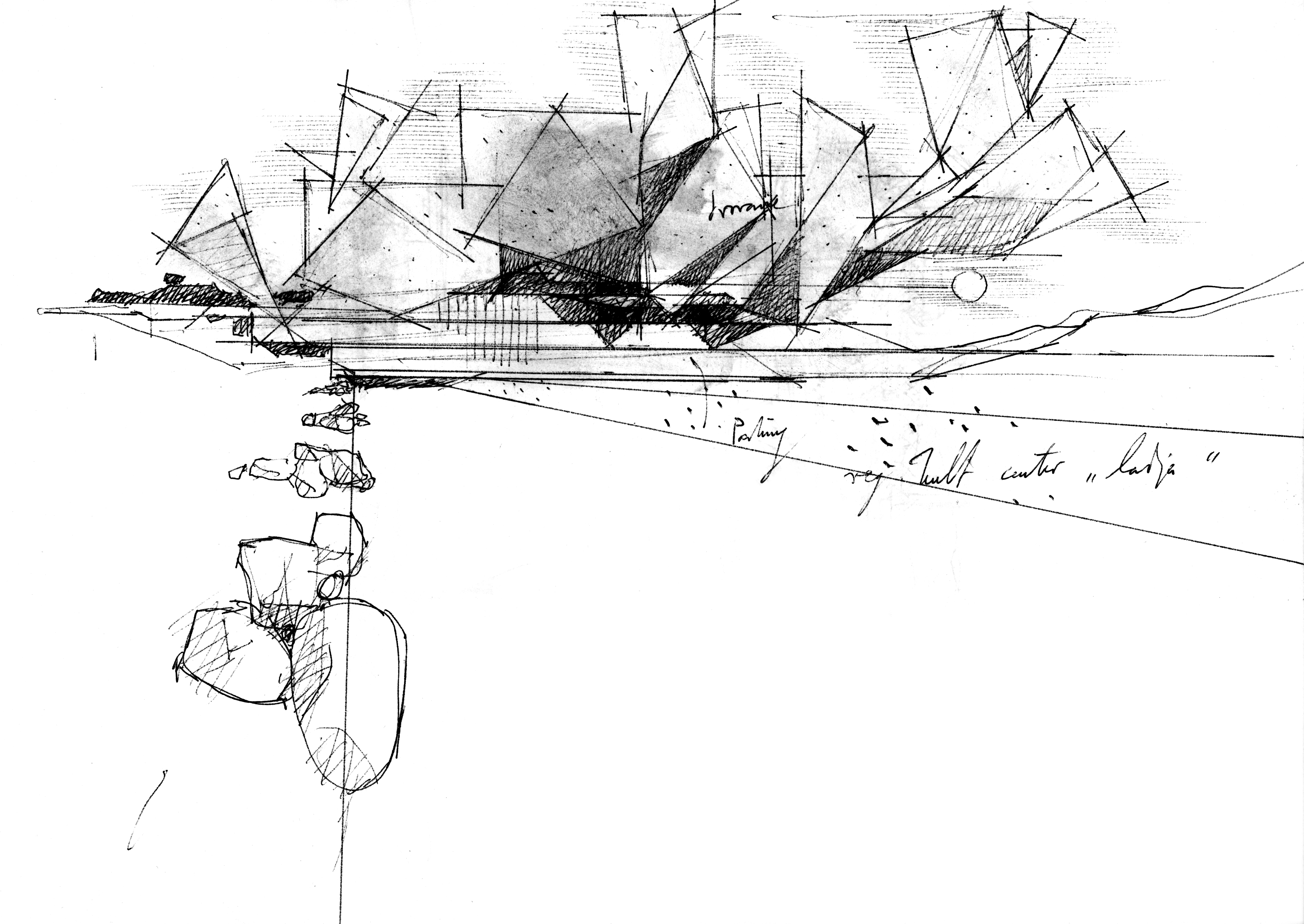
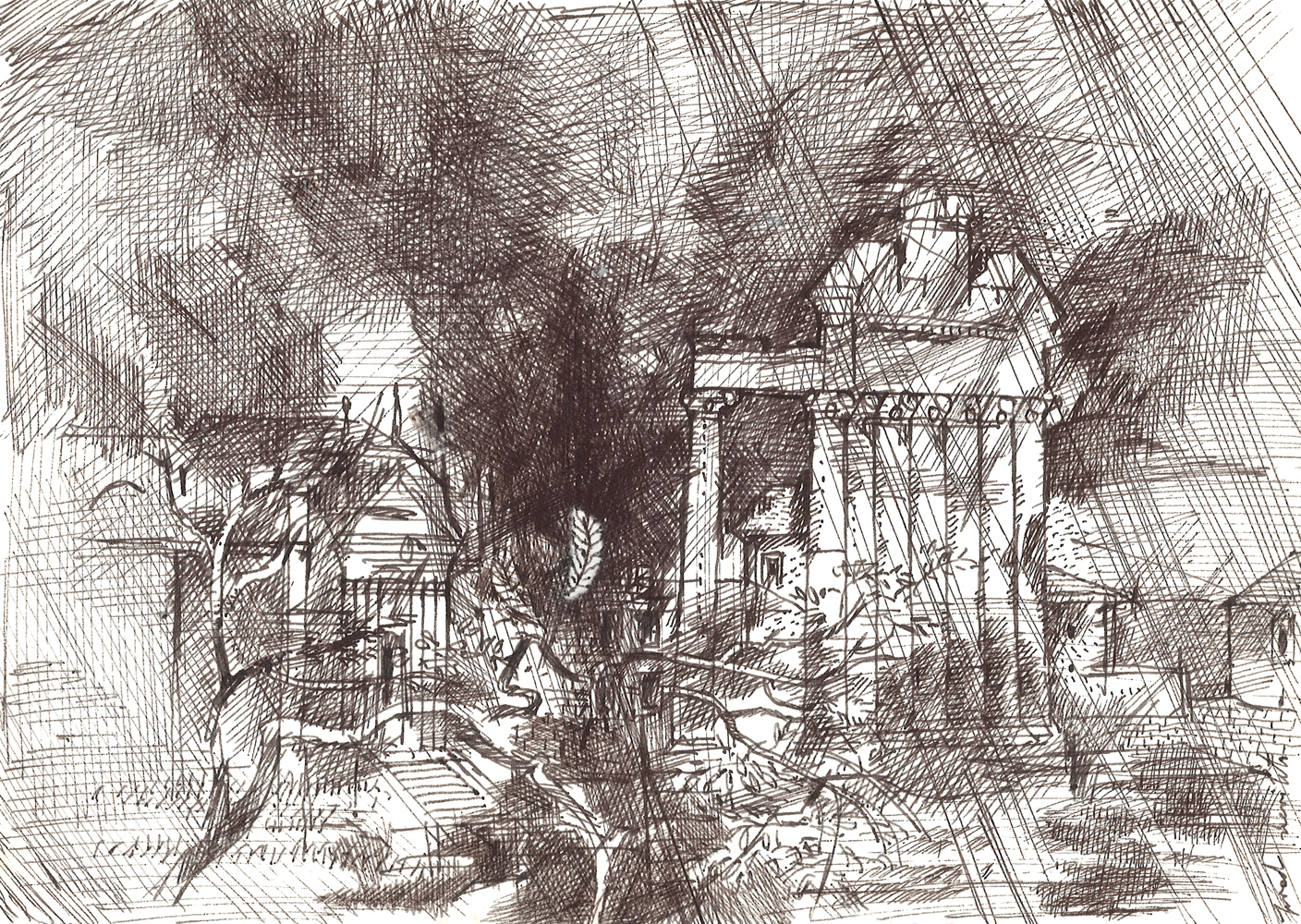
In connection with the Museum of Architecture and Design's exhibition dedicated to Edvard Ravnikar – The Structure of Modernism –, the authors of the exhibition at Cankarjev dom have worked with Ravnikar’s heirs who keep an archive of his sketches to offer an insight into the architect's rich, interesting and as yet largely unknown legacy. The Searchings in Drawing, Findings in Thought exhibition features magnifications of his drawings that echo Ravnikar's comprehensively designed and preserved architectural setting of Cankarjev dom.
The show offers an immersive experience of the architect’s imaginatively rich inner world, which differs from the more rational process of formulating great modernist concepts. Edvard Ravnikar's sketches are of superior quality and rank among both the continuation of Jože Plečnik’s drawing tradition and the sketches and drawings of the finest twentieth-century architects on a global scale.
Buy tickets
Searchings in Drawing, Findings in Thought
Until 30 Nov 2023
Show more
Admission free
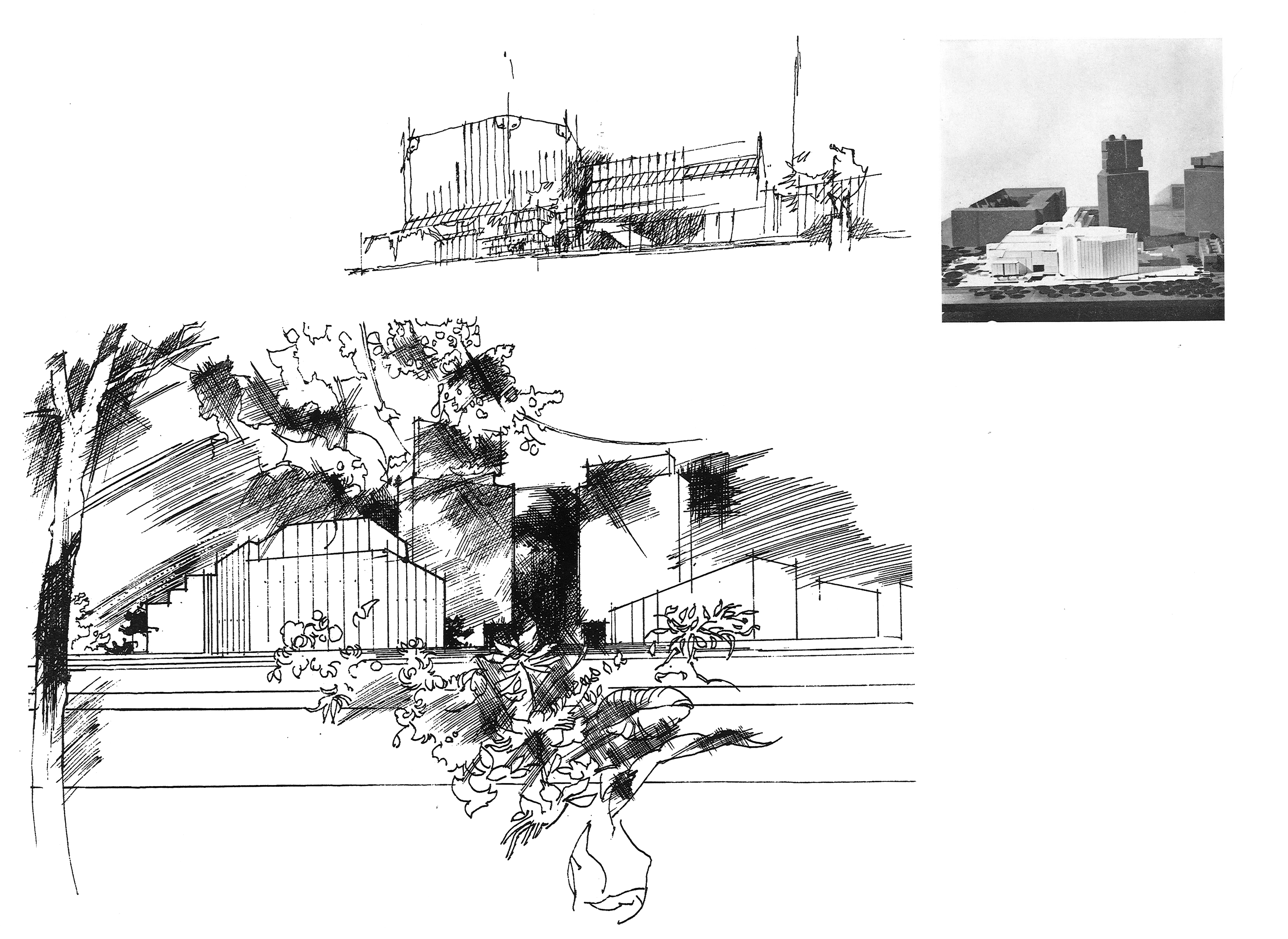
In cooperation with the Museum of Architecture and Design
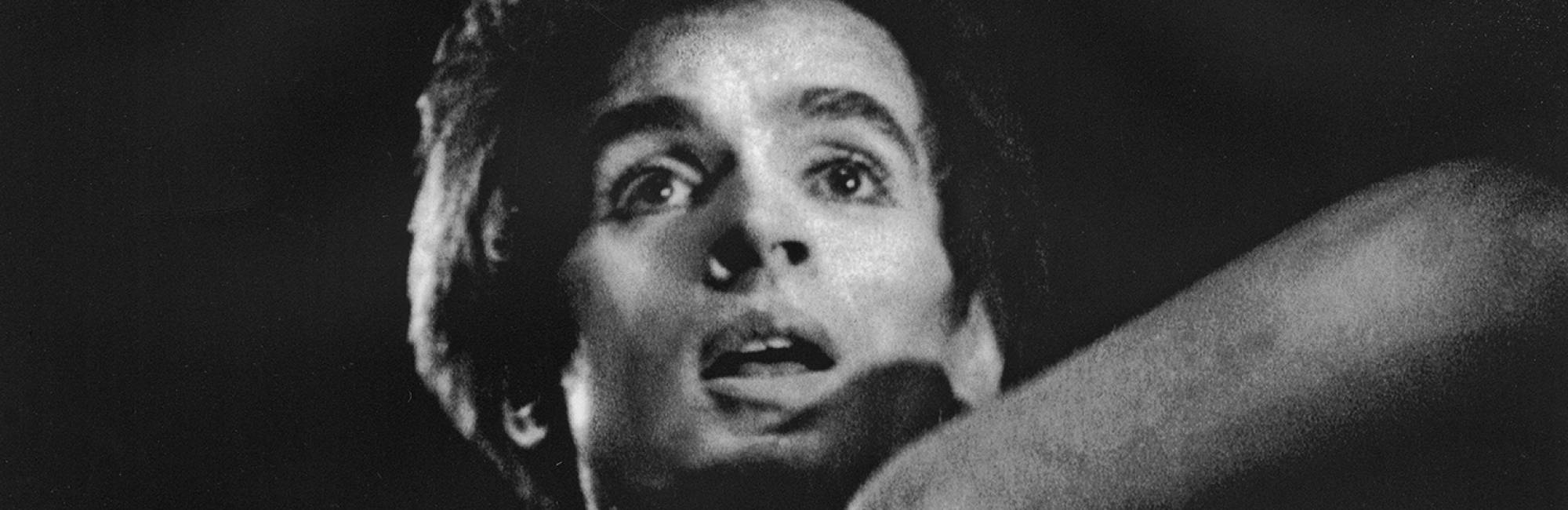
Festival opening: 23 June at 6 p.m.; exhibition: 24 June - 25 Aug 2023
The Legendary Nureyev
Large exhibition – a tribute to ballet dancer Rudolf Nureyev
In the year that marks the 30th anniversary of the death of one of the most magnificent dancers and choreographers of all time, Rudolf Nureyev, this special exhibition – forming part of Slovenia’s 1st International Ballet Festival – chronicles some of the greatest moments in the storied and glittering career of this legendary Soviet-born artist. The exhibition will showcase stage costumes and as yet unpublished photos by the French photographer Francette Levieux from the personal collection of Charles Jude, a former principal dancer of the Opéra de Paris who danced alongside the famous Nureyev. Nureyev was particular about his costumes; the exhibits include elaborately designed and embellished doublets (close-fitting jackets), which are typical of the artist’s choice in costume design. Dressed in these doublets, he danced in such classical ballet pieces as Swan Lake, Giselle and Don Quixote. Francette Levieux’s photographs feature some of Nureyev’s most memorable moments on stage, bearing witness to his brilliant artistry. Accompanying the 1st International Ballet Festival, the exhibition honours this charismatic artist and offers an insight into Nureyev’s life and work that continue to inspire ballet dancers around the world.
The exhibition is dedicated to Nureyev, the most charismatic dancer of his time. Showcasing stage costumes and photos of some of Nureyev’s most memorable moments on stage, it offers an insight into the artist’s legacy that continues to inspire ballet dancers around the world.
Buy tickets
The Legendary Nureyev
Festival opening: 23 June at 6 p.m.; exhibition: 24 June - 25 Aug 2023
Show more
Admission free
All CD exhibitions will be CLOSED for maintenance between 2 and 4 August.
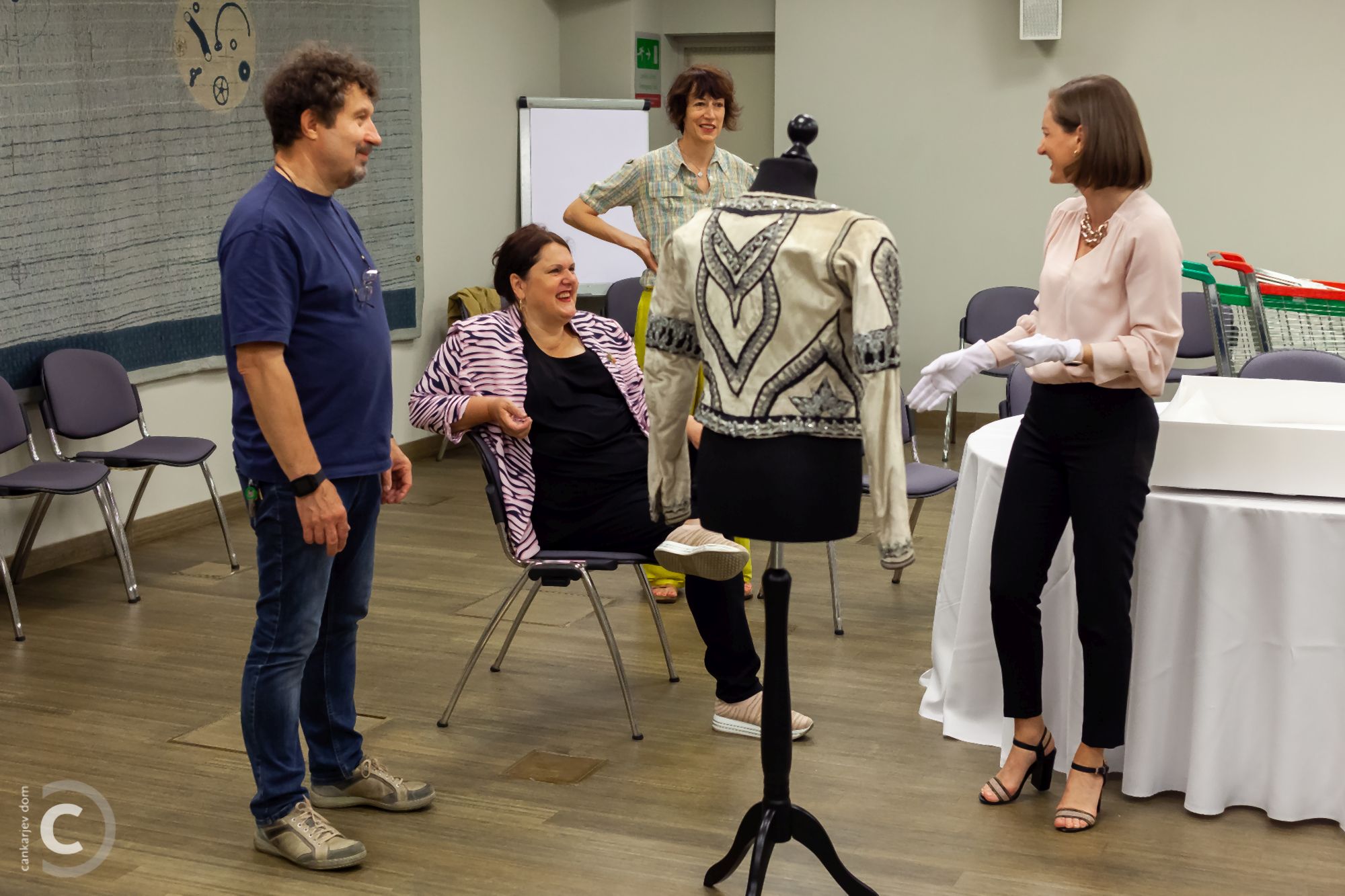
Opening ballet costumes for the exhibition, photo Kristina Bursać
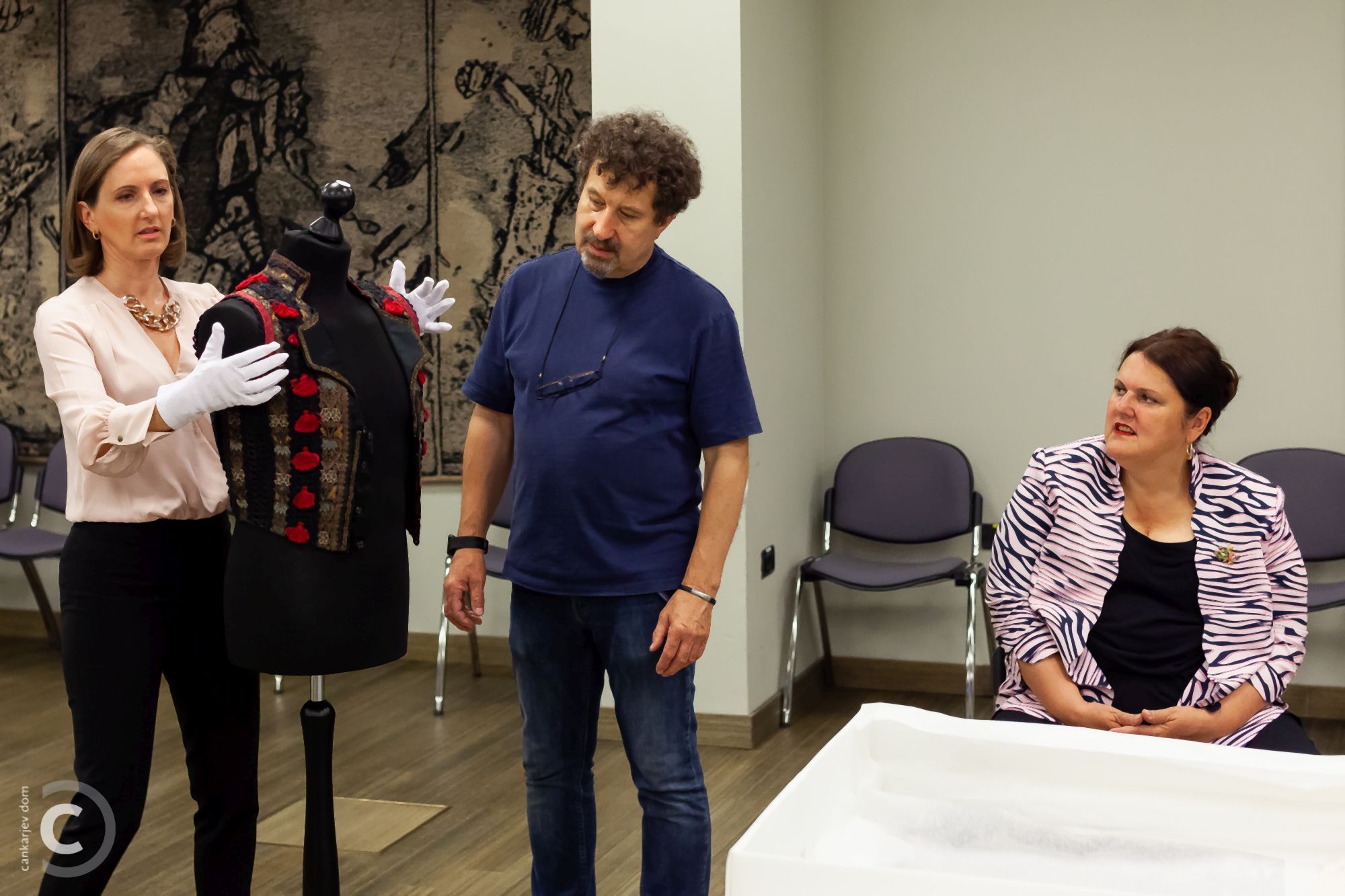
Opening ballet costumes for the exhibition, photo Kristina Bursać
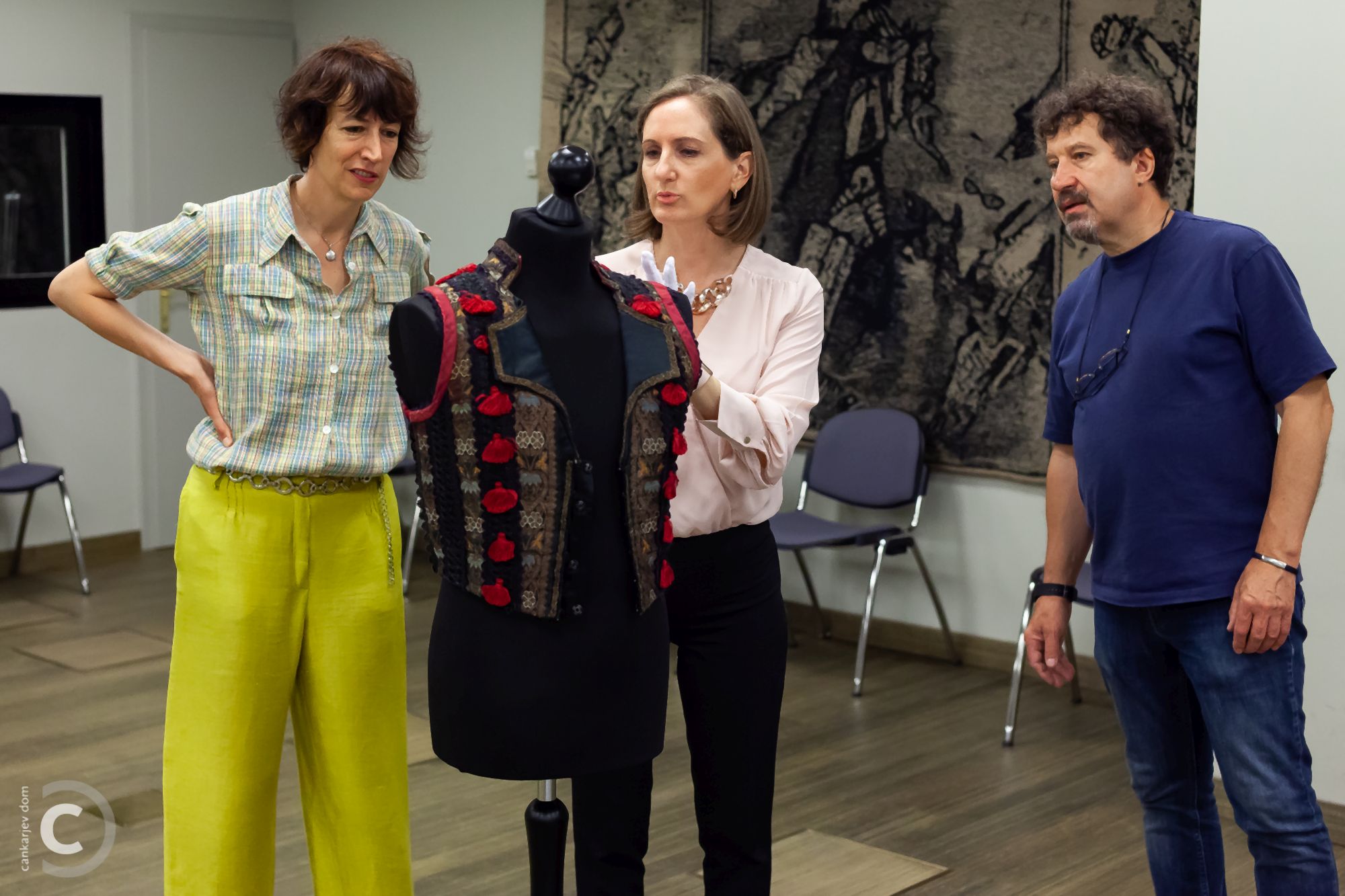
Opening ballet costumes for the exhibition, photo Kristina Bursać
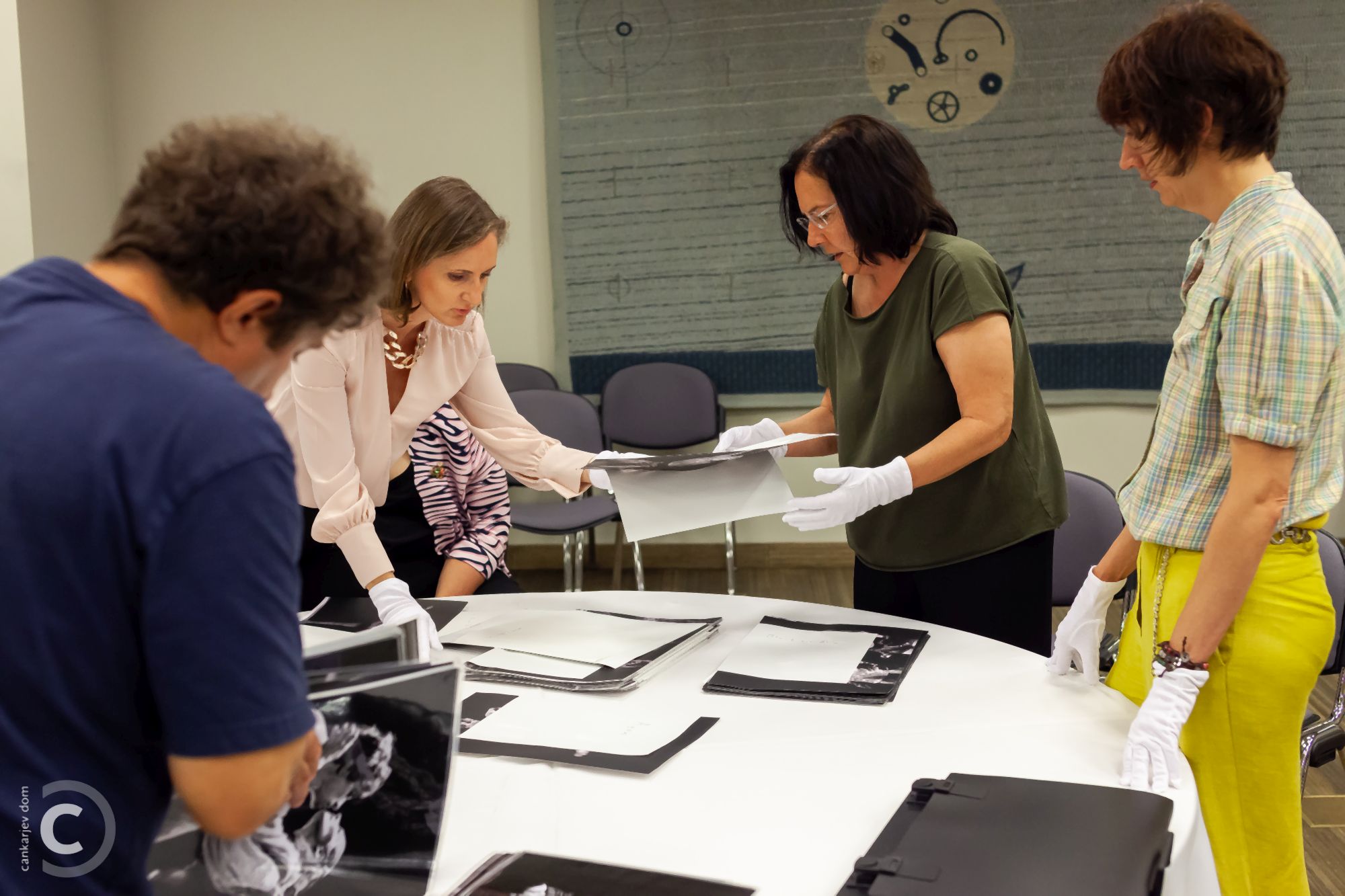
Opening ballet costumes for the exhibition, photo Kristina Bursać
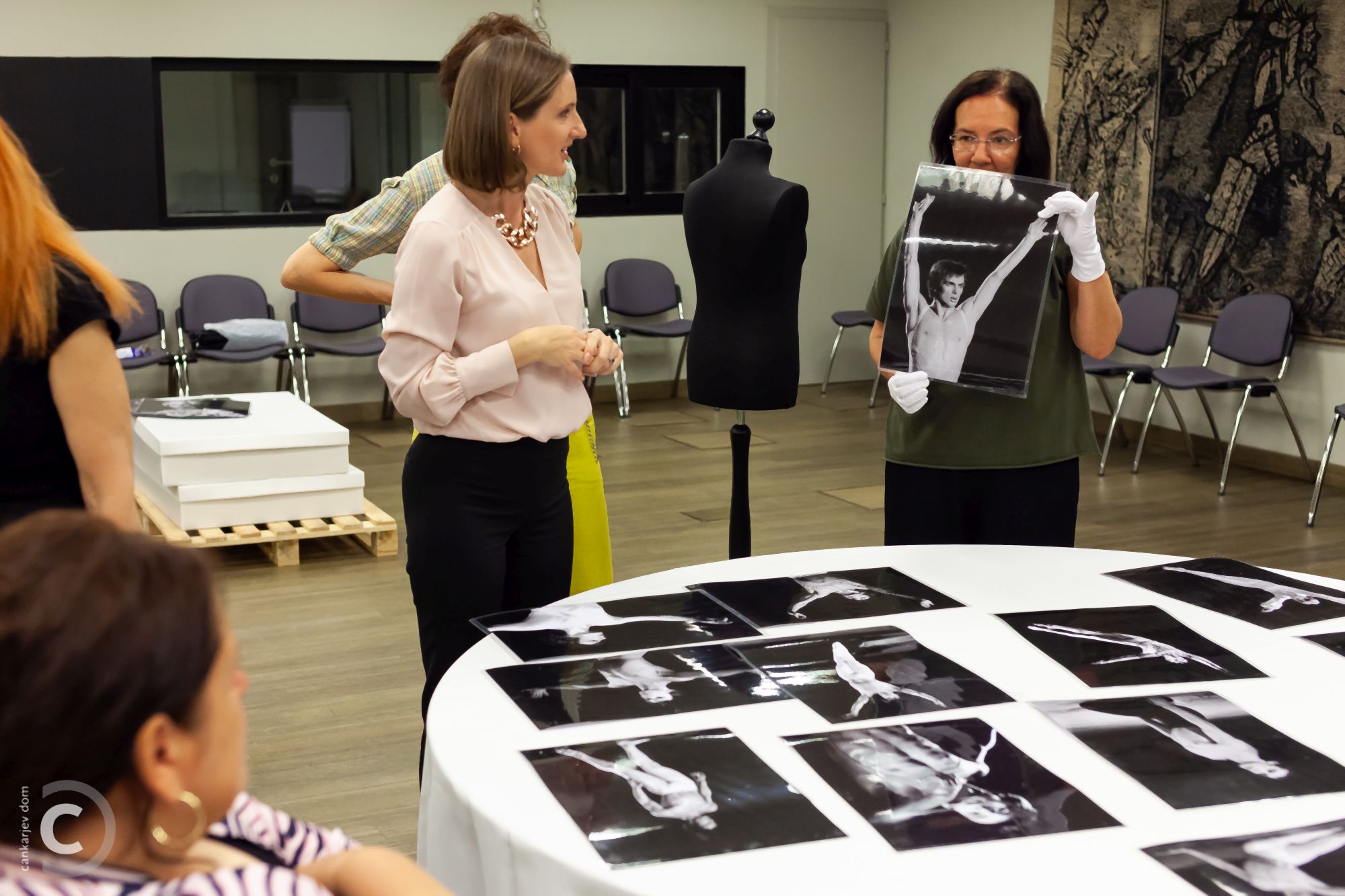
Opening ballet costumes for the exhibition, photo Kristina Bursać
In cooperation with the Nureyev Foundation

Founder and main co-funder of Cankarjev dom’s Arts and Culture programme

