Running time: 68 minutes
Production: Zavod MN Produkcija, SNG Nova Gorica
Authors and filmmakers: Michal Rynia and Nastja Bremec Rynia
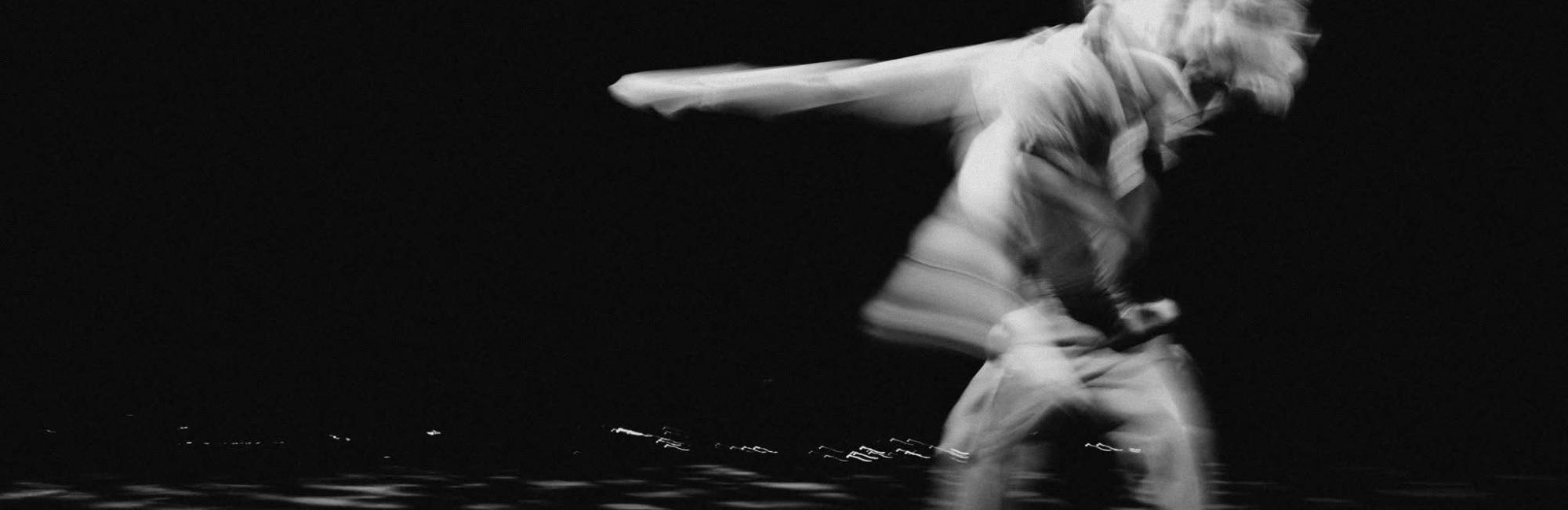
The documentary film From Duet to Ensemble (Od dueta do ansambla) follows the artistic journey of Nastja Bremec Rynia and Michal Rynia – from their beginnings as a dance duo to the formation of the professional international ensemble MN Dance Company. Through the creative process, their work with dancers and behind-the-scenes glimpses, the film reveals the evolution of their artistic vision and tells a story of perseverance, dedication and community – from two artists to an ensemble.
Buy tickets
Austria, 2025, 53'
Directed by: Harry Putz
Screenplay: Harry Putz
Camera: Martin Stoni, Harry Putz
Production: Freiluftdoku
The film is followed by a discussion with geographer and glaciologist Miha Pavšek (ZRC SAZU).
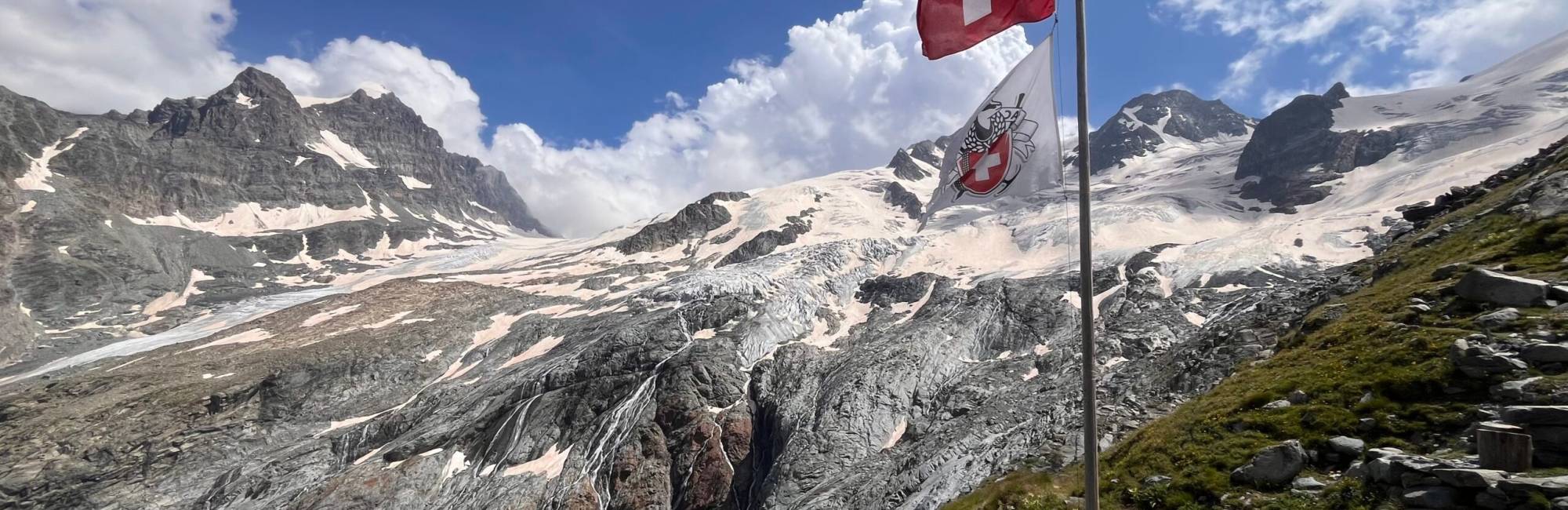
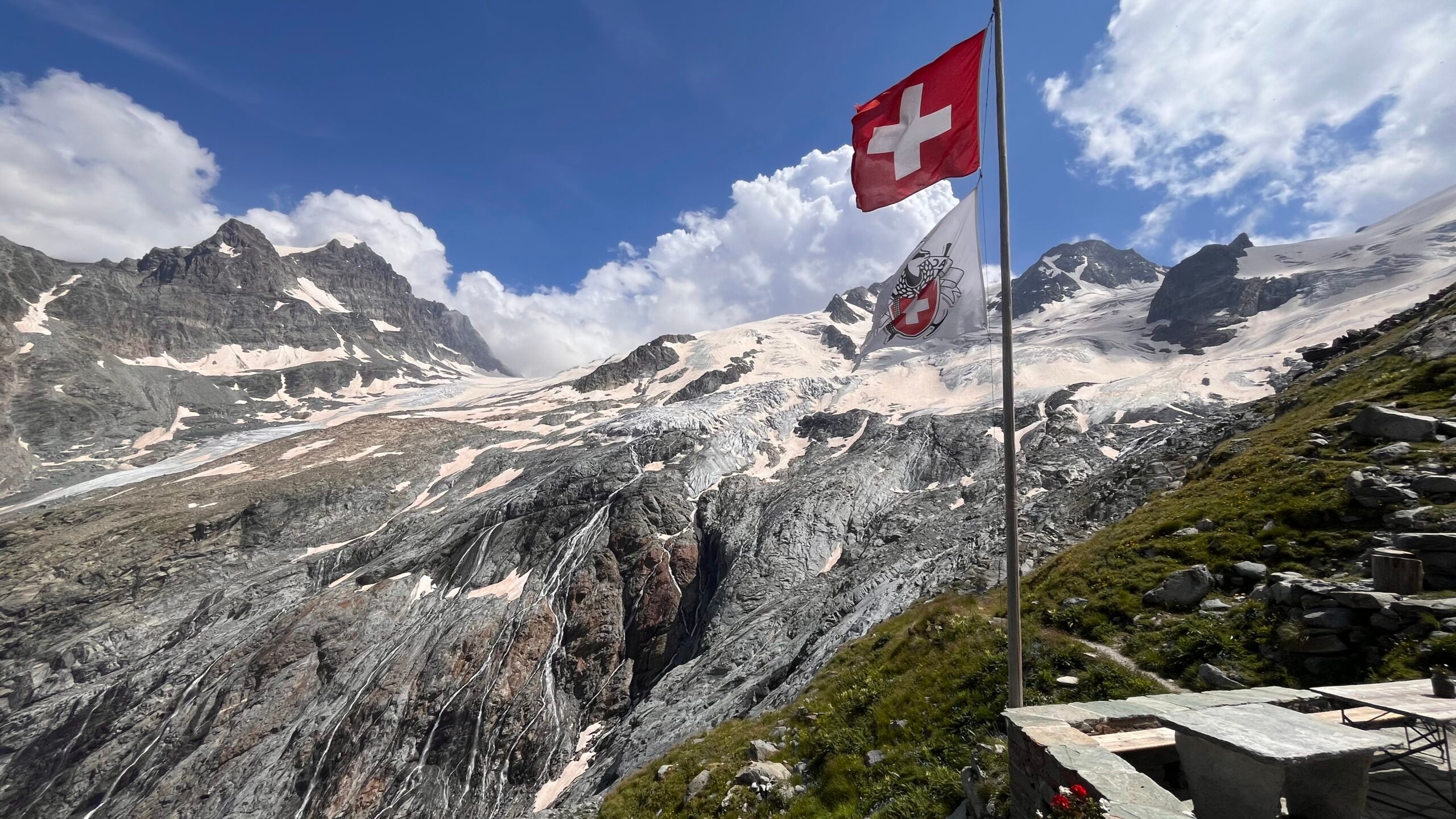
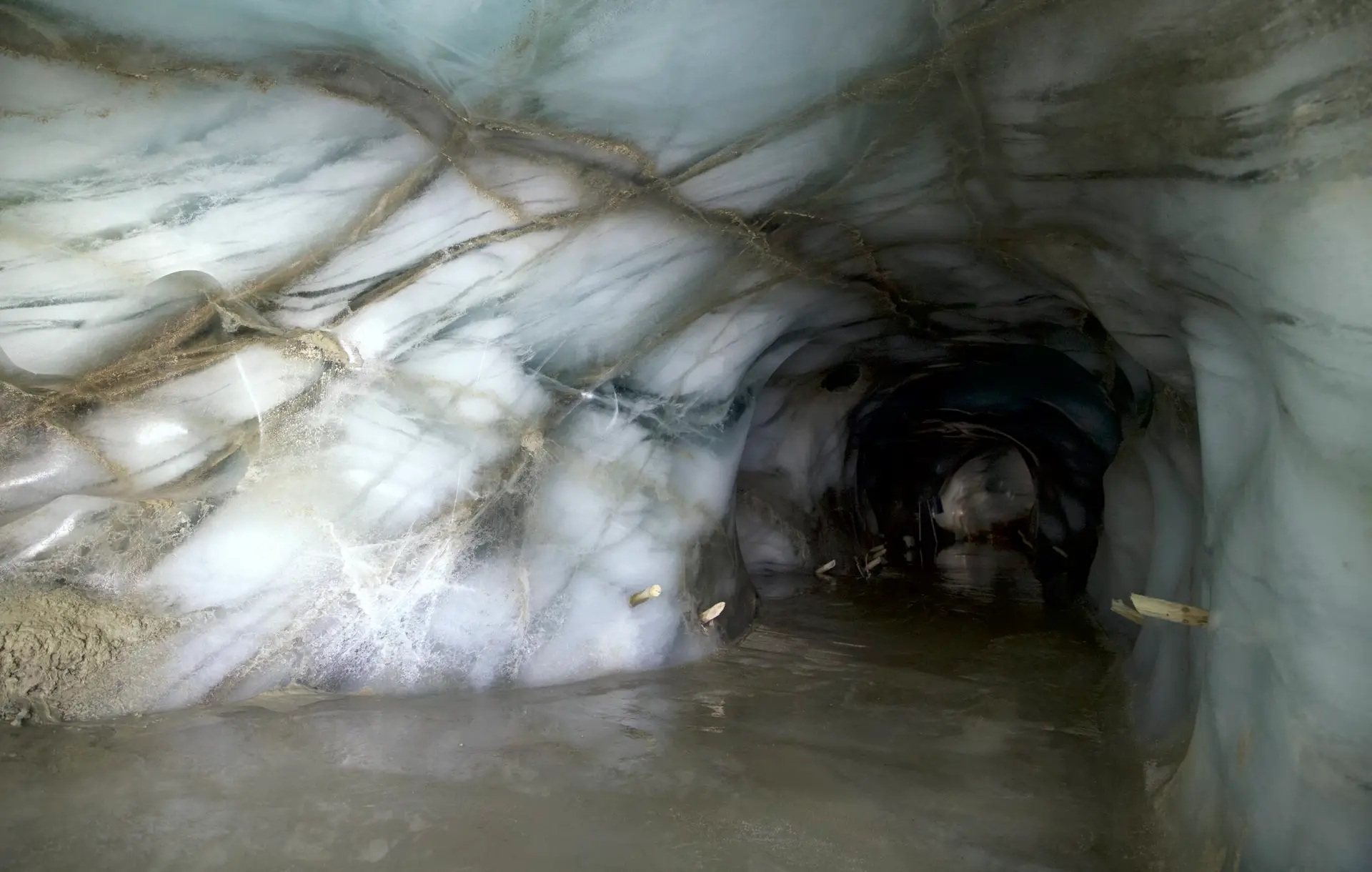
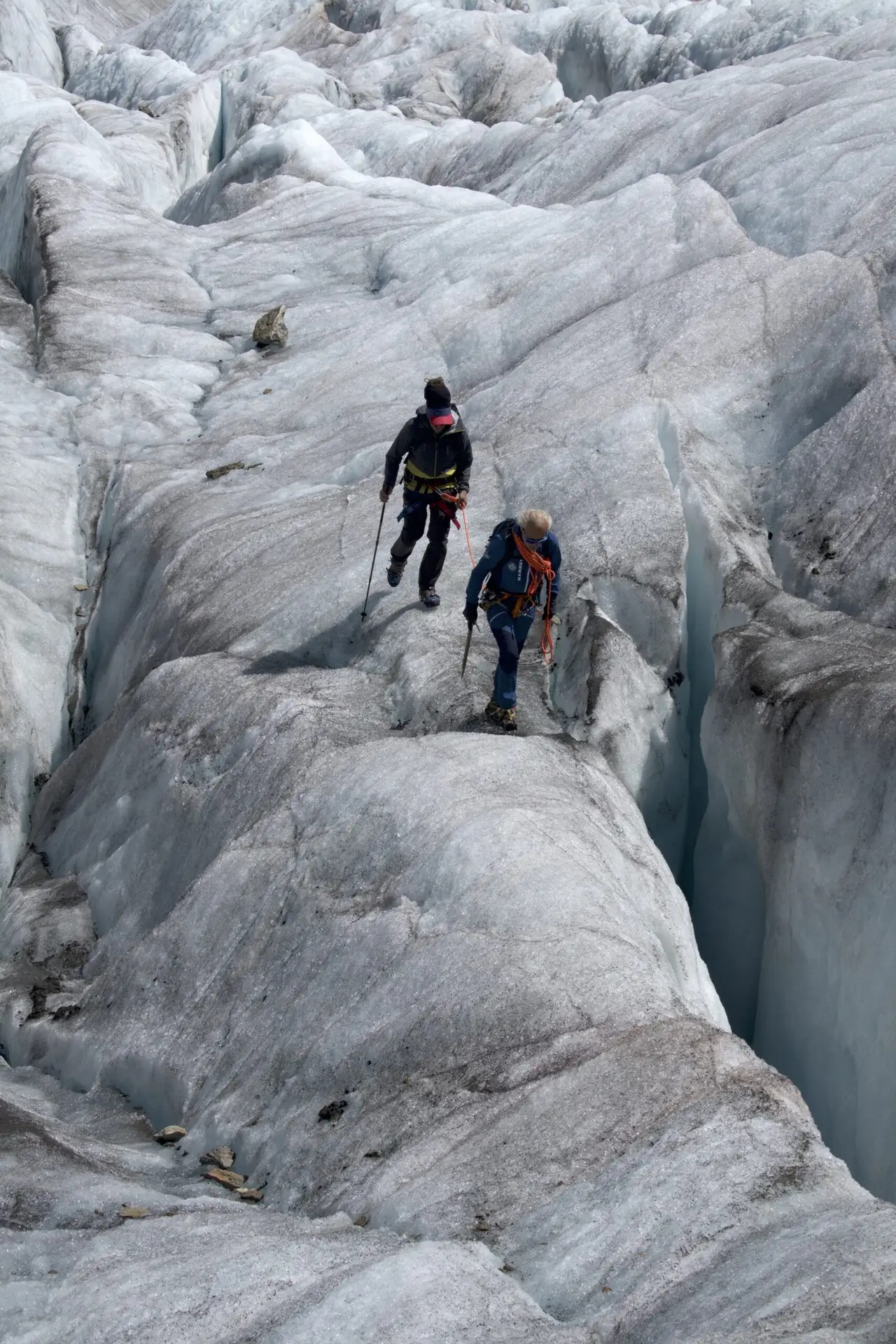
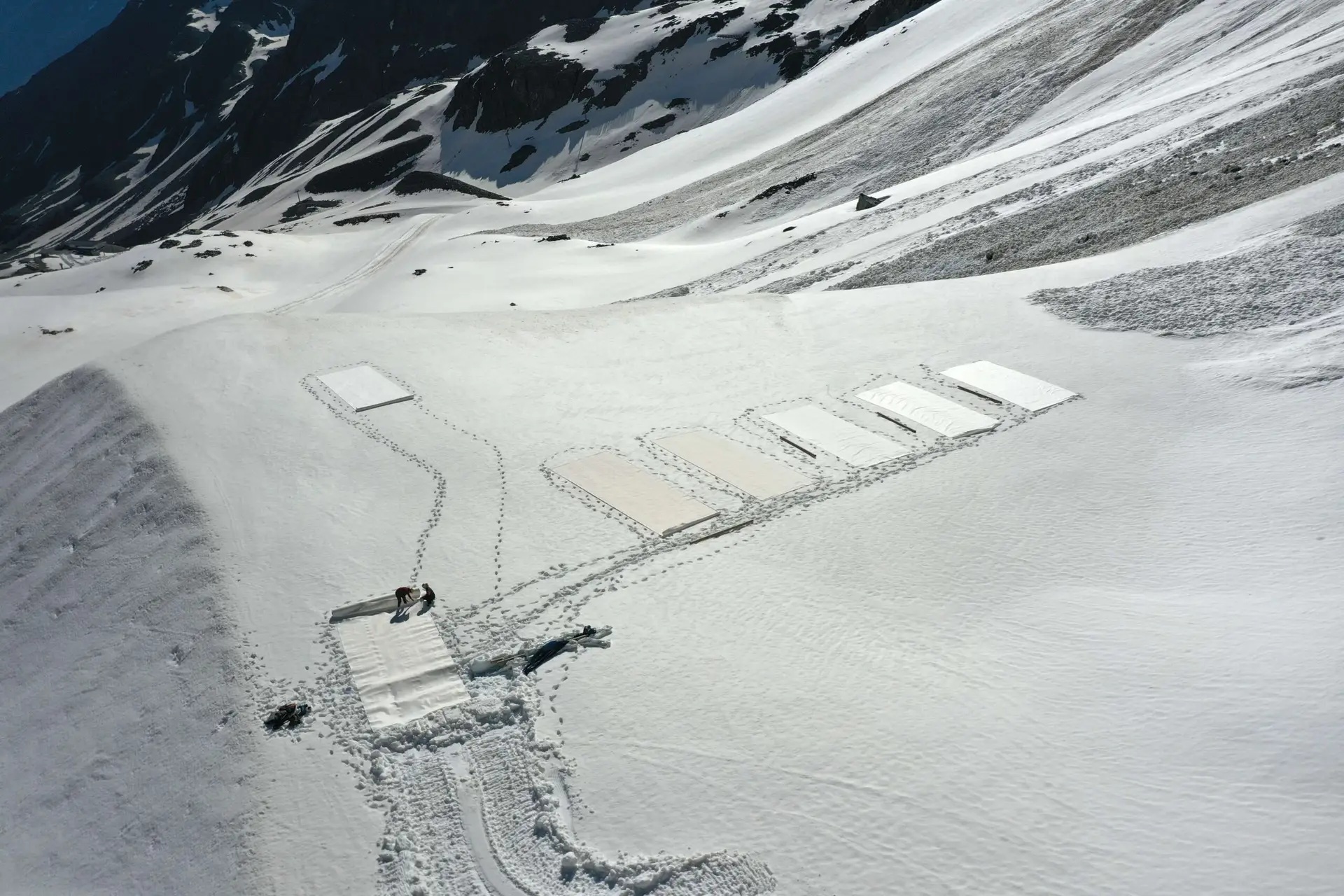
The glaciers in the Eastern Alps are dying – irreversibly, scientists agree. Experts are warning of the changing conditions, and adjustments need to be made in many areas. But while the ‘eternal ice’ is disappearing and the permafrost is dissolving, tourism is booming. In summer, visitors crowd into glacier cable cars to get as close as possible to the glacier. In winter, skiing operations are running at full speed. Interventions in nature are taking on ever more drastic forms: slope stabilisation, snow farming, artificial snow systems, massive terrain levelling – a race against time.
With Requiem in White, Harry Putz stages a haunting cinematic homage to the dying of the glaciers in the Alps. Through in-depth interviews, he weaves science and emotion into an oppressive documentary. Shot at 14 glaciers in Austria, Germany, Italy and Switzerland, the film ends by posing the unavoidable question: How do we want to say goodbye to our glaciers?
Harry Putz has been working as a freelance filmmaker since 2001. Under the name FREILUFTDOKU, he has regularly realised productions in mountain and documentary film in addition to commissioned work in the form of reports and advertising films. Since 2015, he has increasingly devoted himself as a filmmaker to nature films in connection with environmental protection. In 2023, his work culminated in the multi-award-winning documentary Bis Zum Letzten Tropfen about the expansion of hydropower in his native Tyrol/Austria.
In cooperation with CIPRA Slovenia, the association for the protection of the Alps, and the Erasmus+ project Young Glacier Voices.
Buy tickets
Requiem In White - Our Dying Glaciers
12 Sep 2026
20:00
12 Sep 2026
20:00
Show more
Free tickets available from September 1st.
Austria, 2025, 53'
Directed by: Harry Putz
Screenplay: Harry Putz
Camera: Martin Stoni, Harry Putz
Production: Freiluftdoku


13 Jan 19:30
Brina Podgajski Kampuš, viola &
Trobilni kvintet FiveBrass
In cooperation with Glasbena mladina ljubljanska (Ljubljana Musical Youth)
Brina Podgajski Kampuš, viola
*
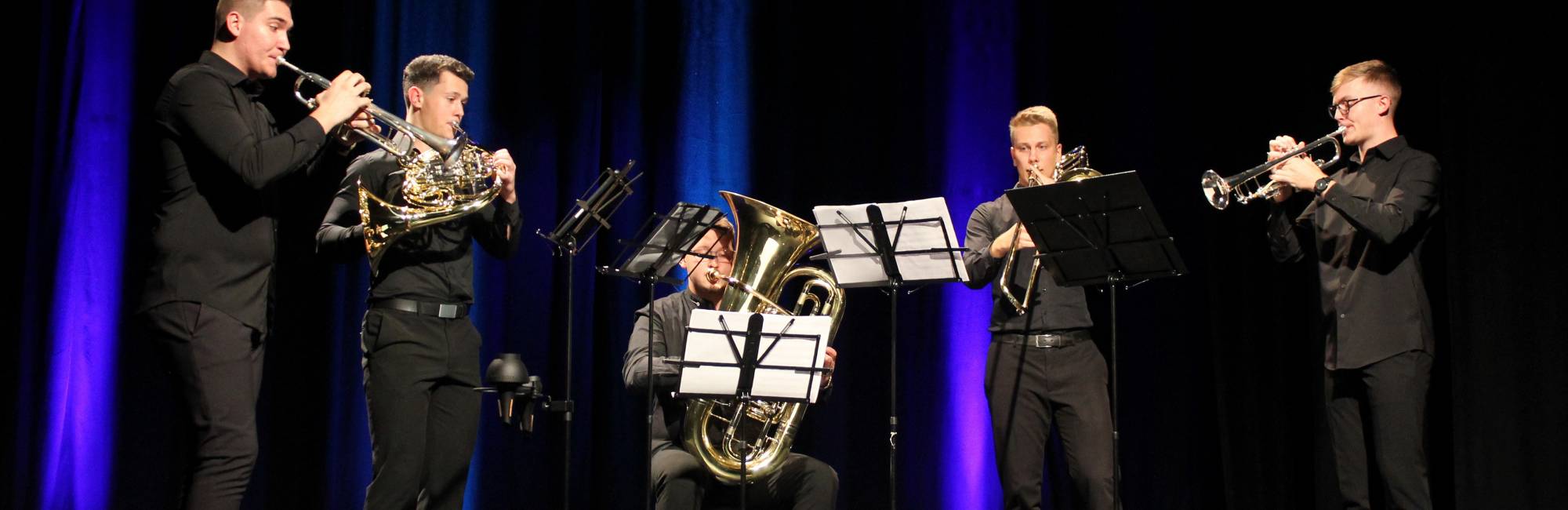
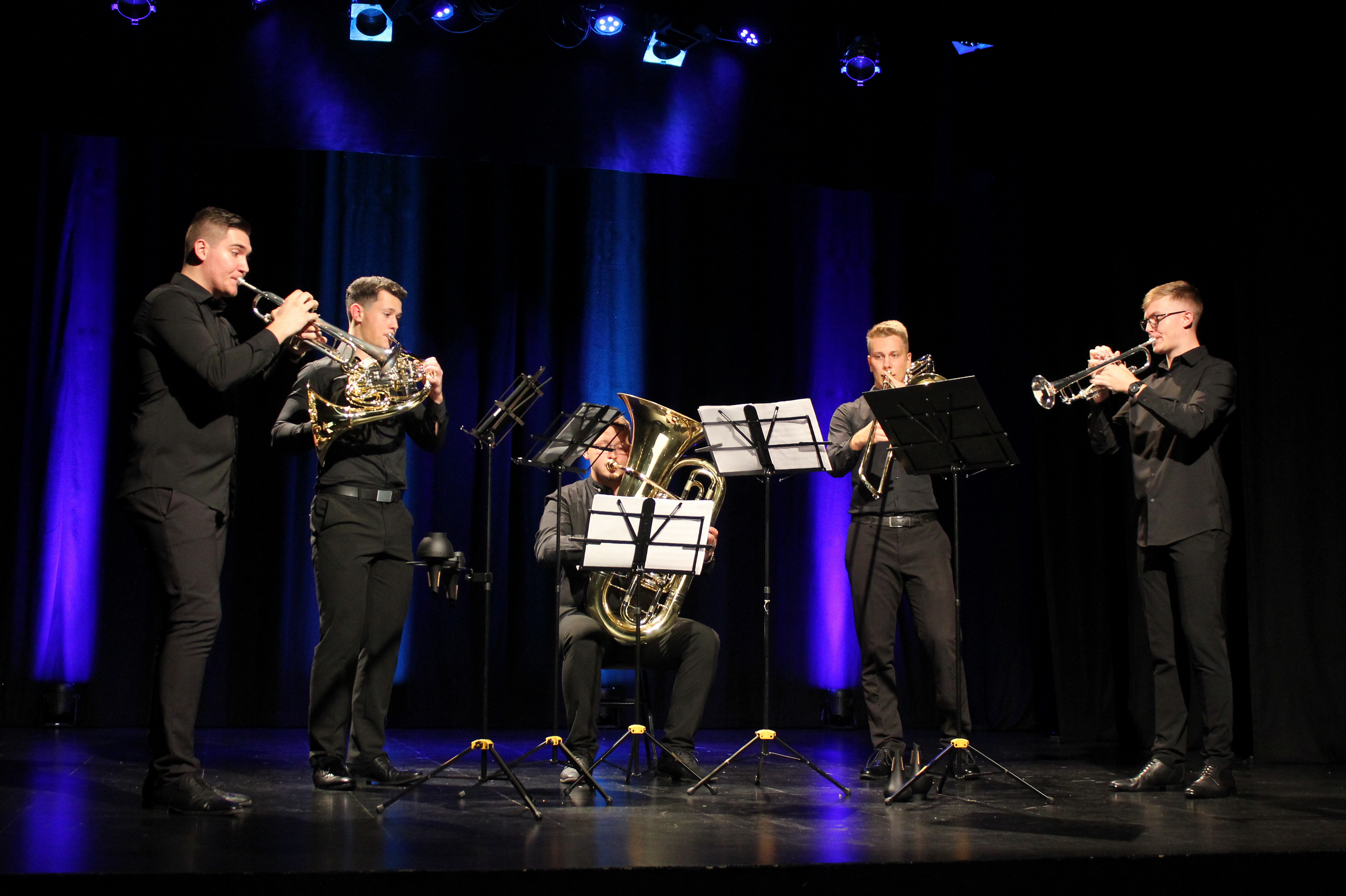
Trobilni kvintet FiveBrass (brass quintet: Amadej Štrajhar, Lovro Tavčar, David Tretjak, Blaž Kozjek, Gašper Poprijan)
Buy tickets
Brina Podgajski Kampuš, viola & Trobilni kvintet FiveBrass
13 Jan
19:30
Show more
7,00 EUR
Trobilni kvintet FiveBrass
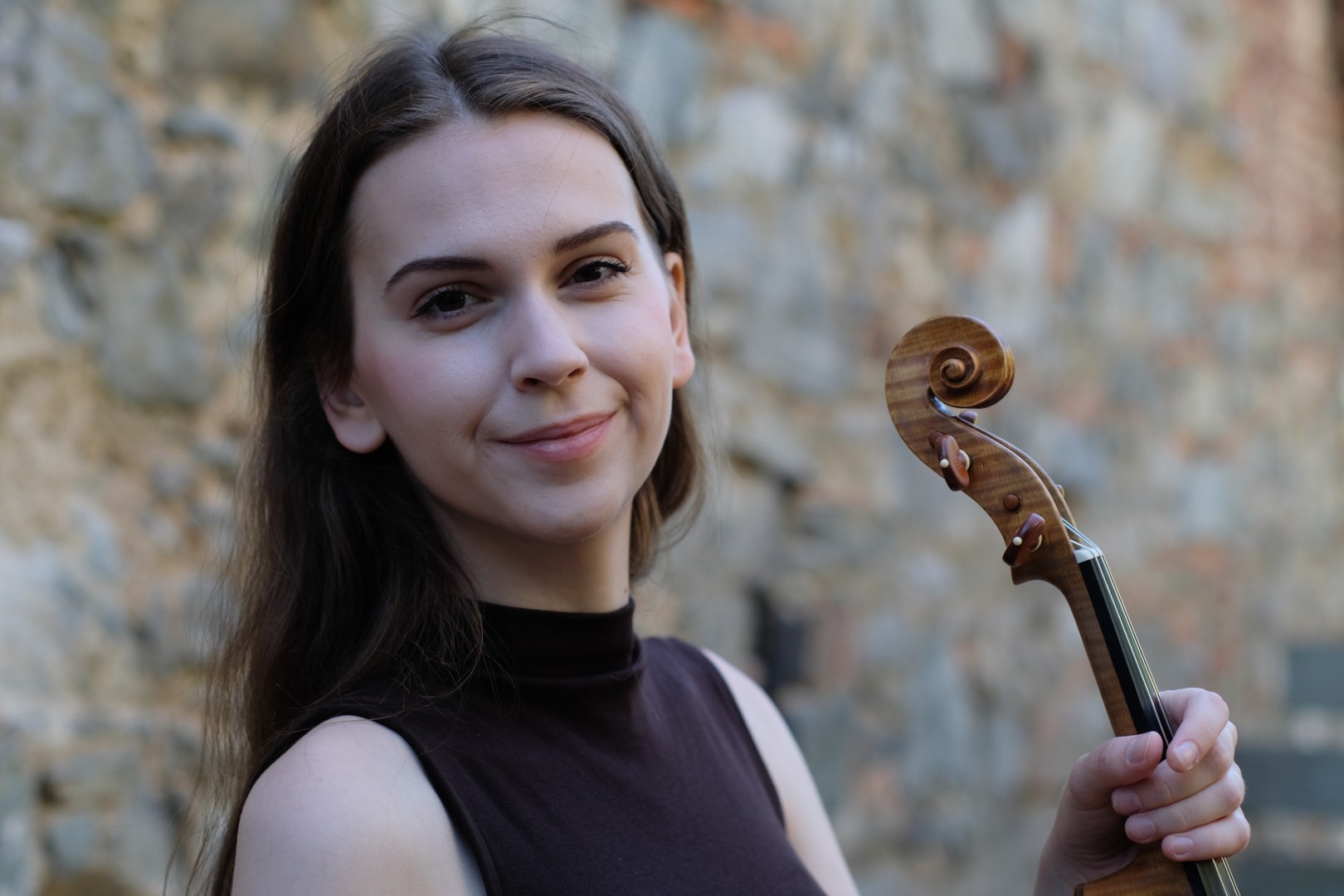
Brina Podgajski Kampuš
14 Apr 19:30
Pia Rener, double bass &
Lukas Grum, flute
In cooperation with Glasbena mladina ljubljanska (Ljubljana Musical Youth)
Pia Rener, double bass
*
Lukas Grum, flute
Buy tickets
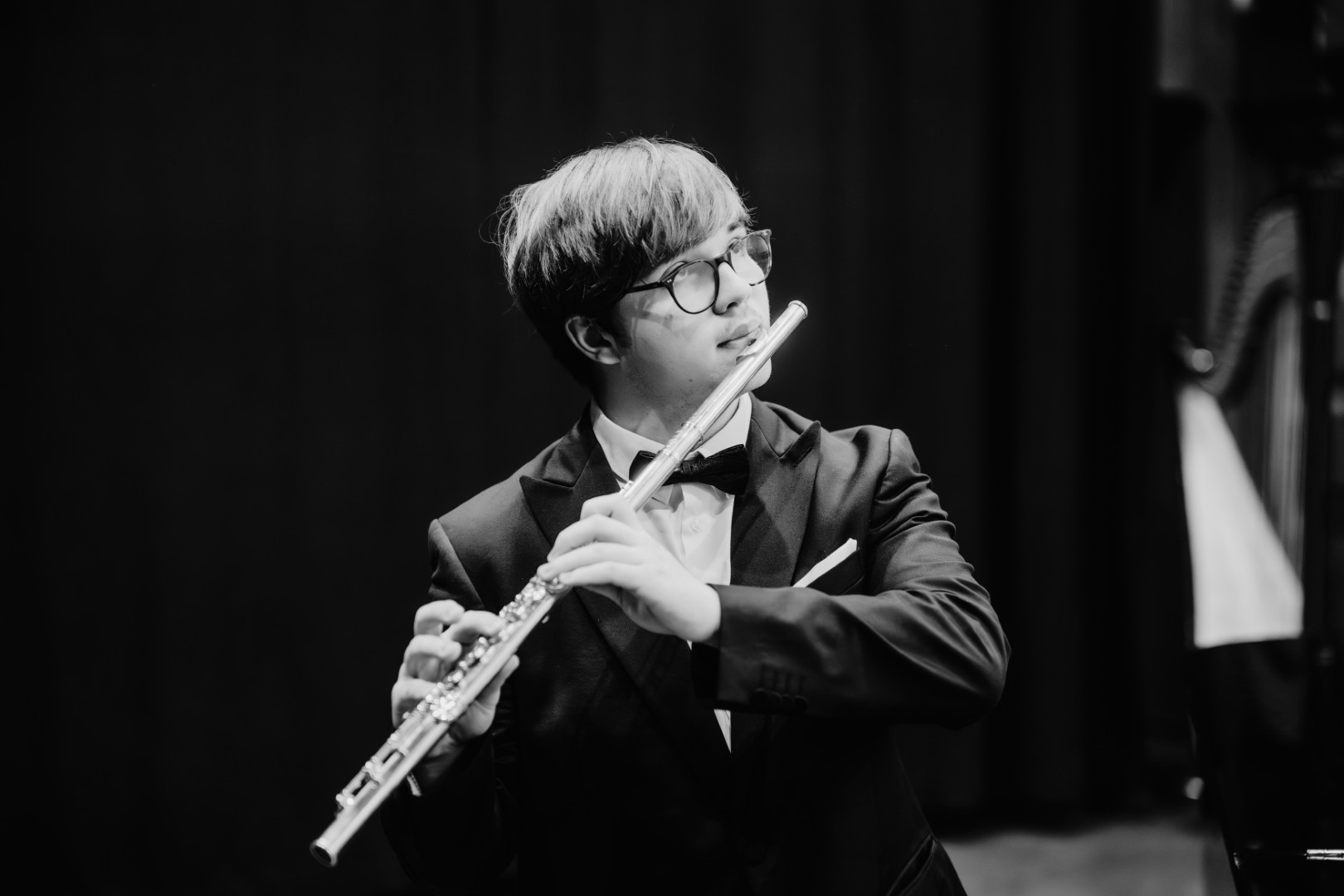
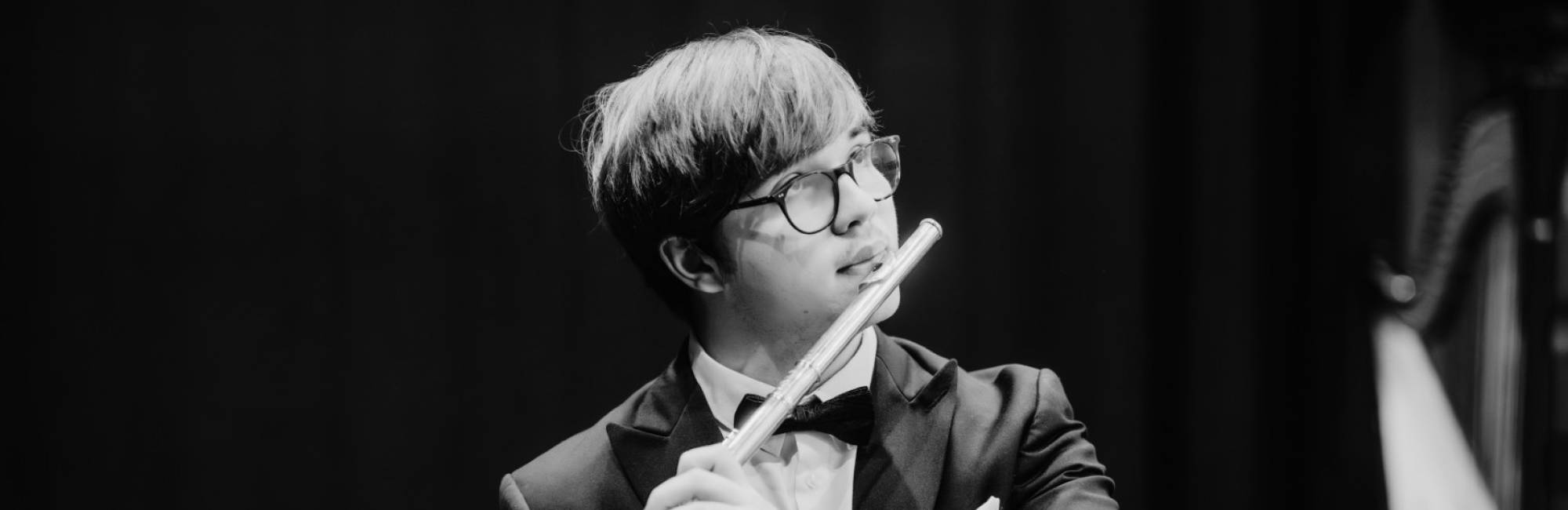
Lukas Grum
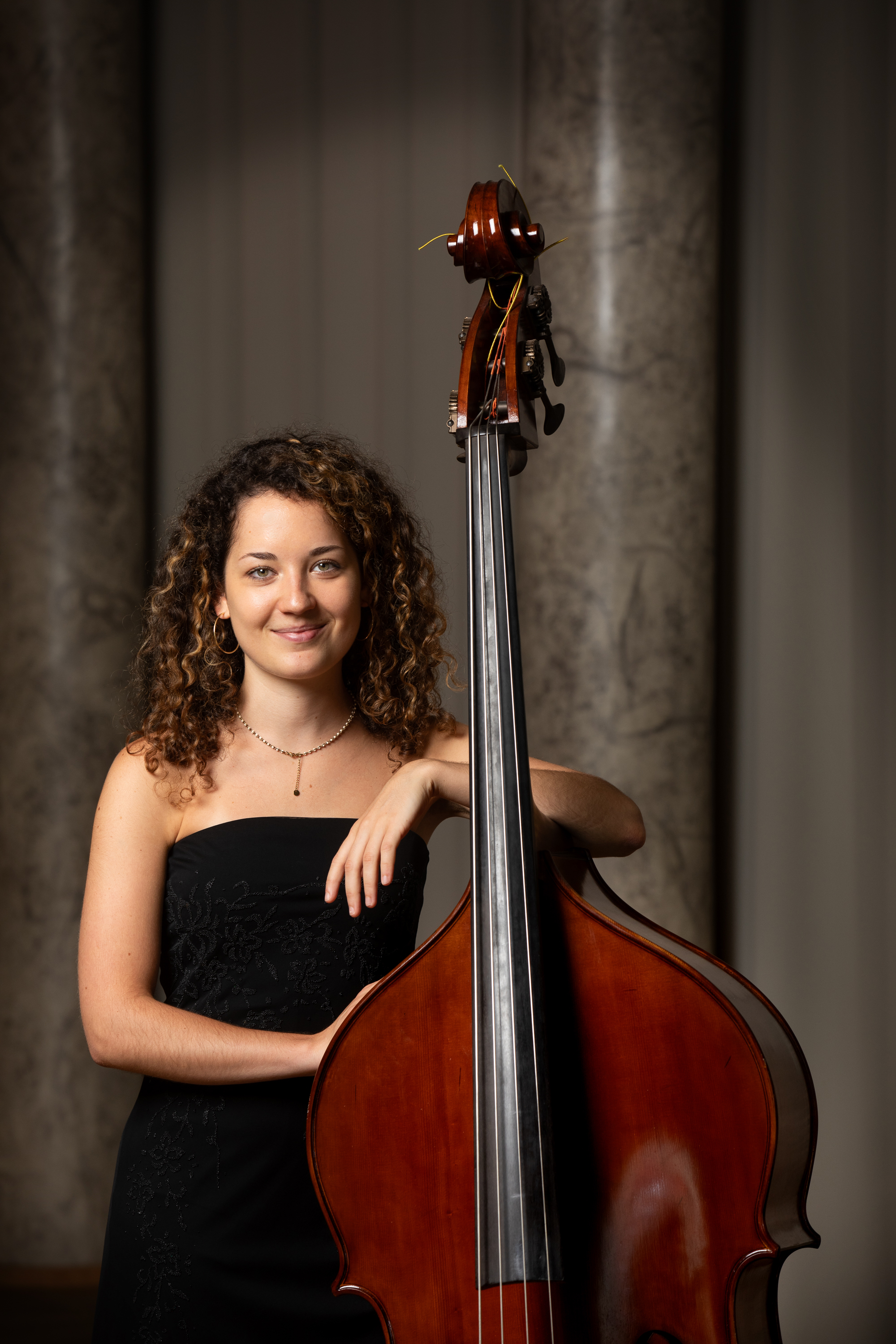
Pia Rener
3 Mar 19:30
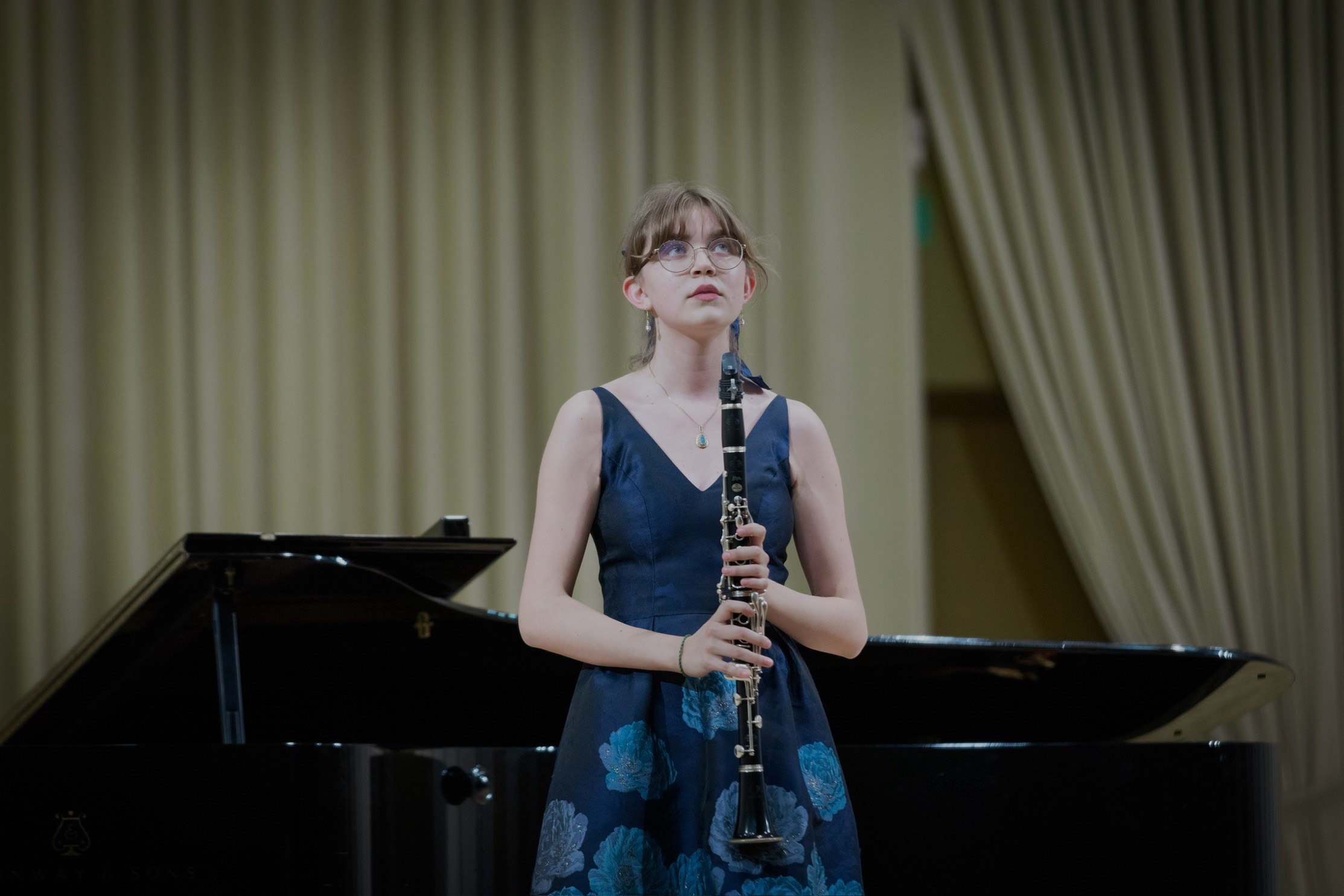
Kika Szomi Kralj, clarinet &
Vid Verdinek, saxophone
In cooperation with Glasbena mladina ljubljanska (Ljubljana Musical Youth)
Kika Szomi Kralj, clarinet
*
Vid Verdinek, saxophone
Buy tickets
Kika Szomi Kralj
3 Feb 19:30
Marija Terezija Kolman, violin &
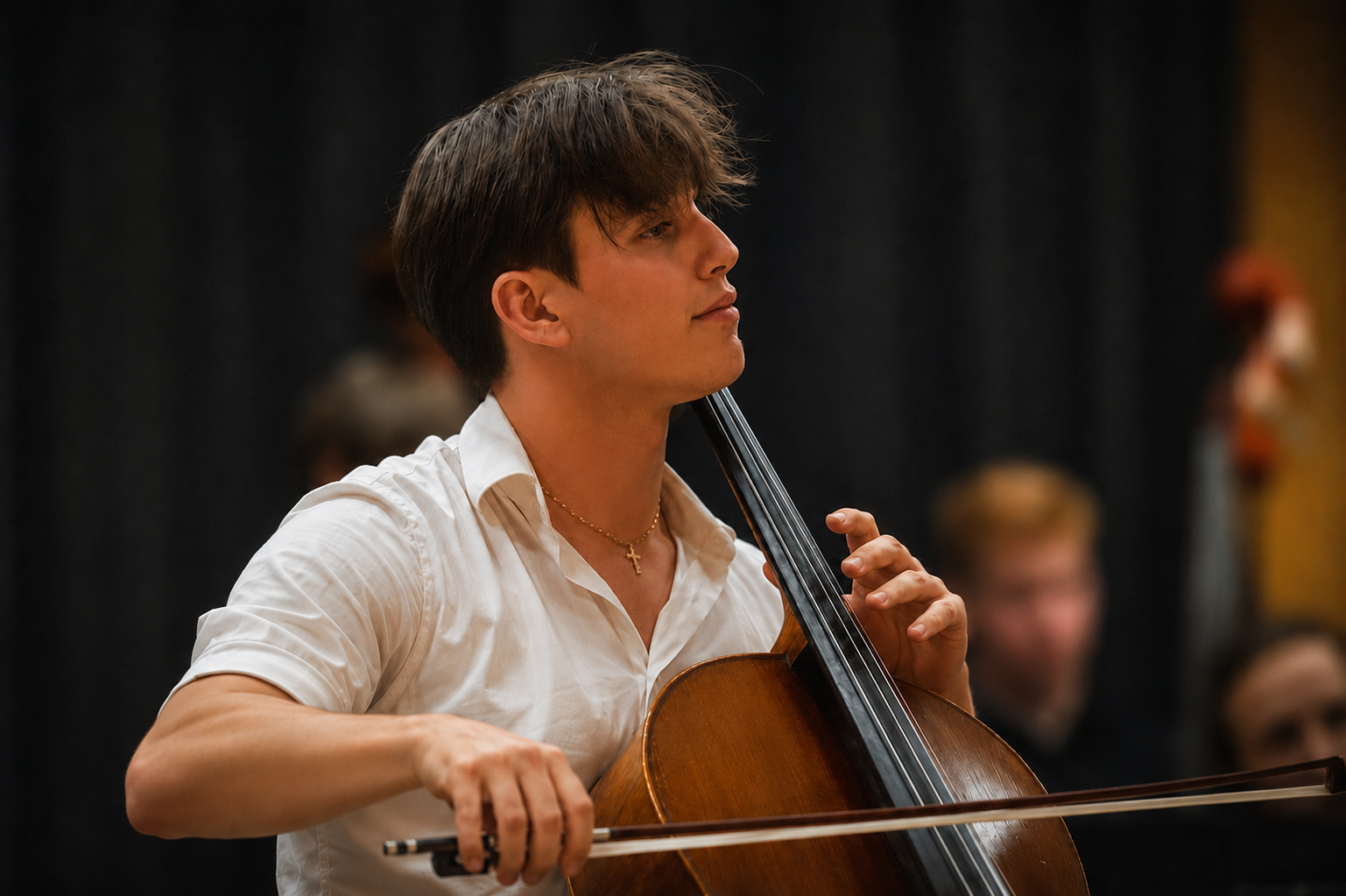
Gabrijel Rakar, cello
In cooperation with Glasbena mladina ljubljanska (Ljubljana Musical Youth)
Marija Terezija Kolman, violin
*
Gabrijel Rakar, cello
Buy tickets
Gabriel Rakar
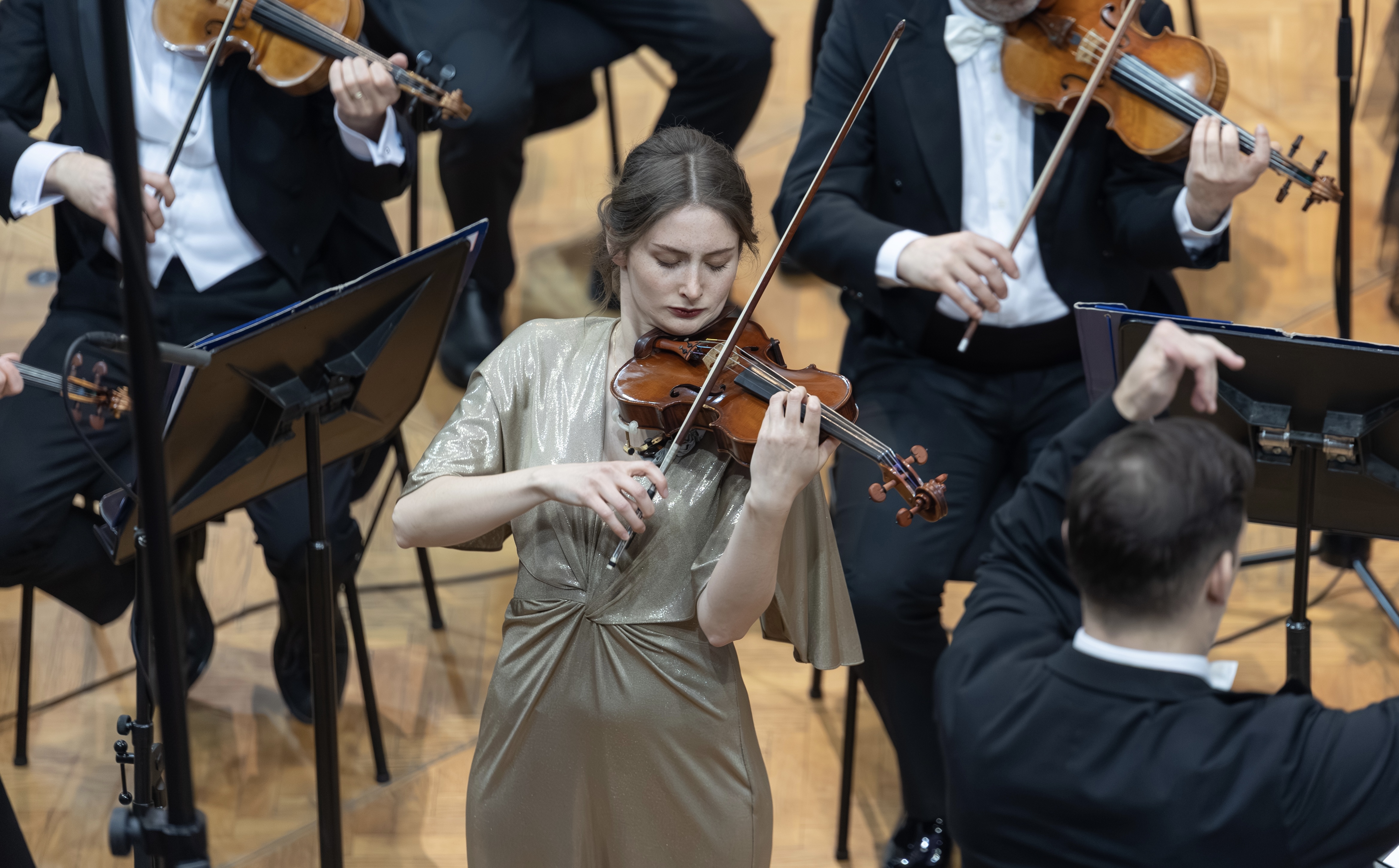
Marija Terezija Kolman

25 Nov 19:30
Bor Patrik Burjan, percussion &
Tevž Kupljenik, oboe
In cooperation with Glasbena mladina ljubljanska (Ljubljana Musical Youth)
Bor Patrik Burjan, percussion
*
Tevž Kupljenik, oboe
Buy tickets
Bor Patrik Burjan, percussion & Tevž Kupljenik, oboe
25 Nov
19:30
Show more
7,00 EUR
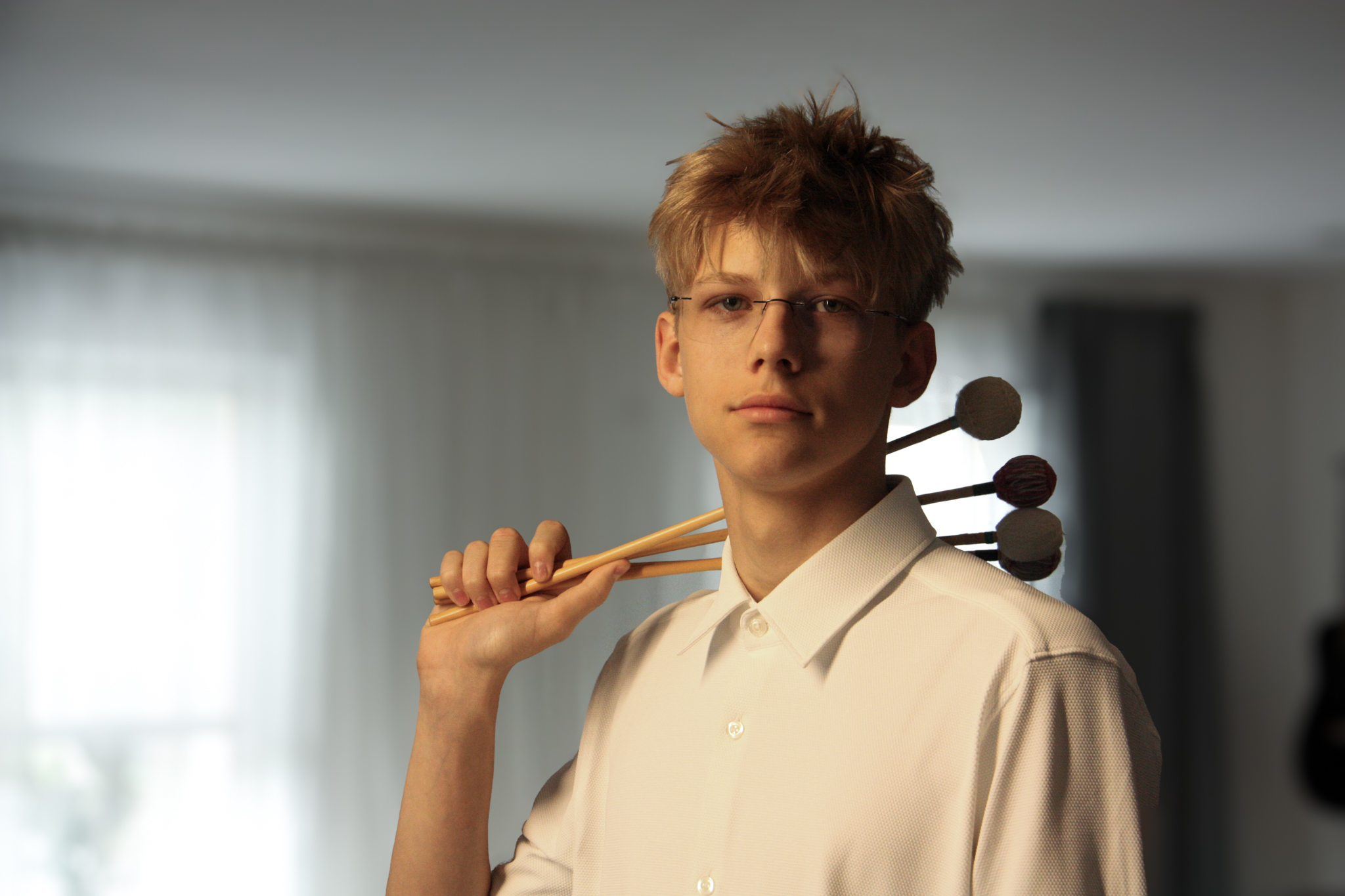
Bor Patrik Burjan
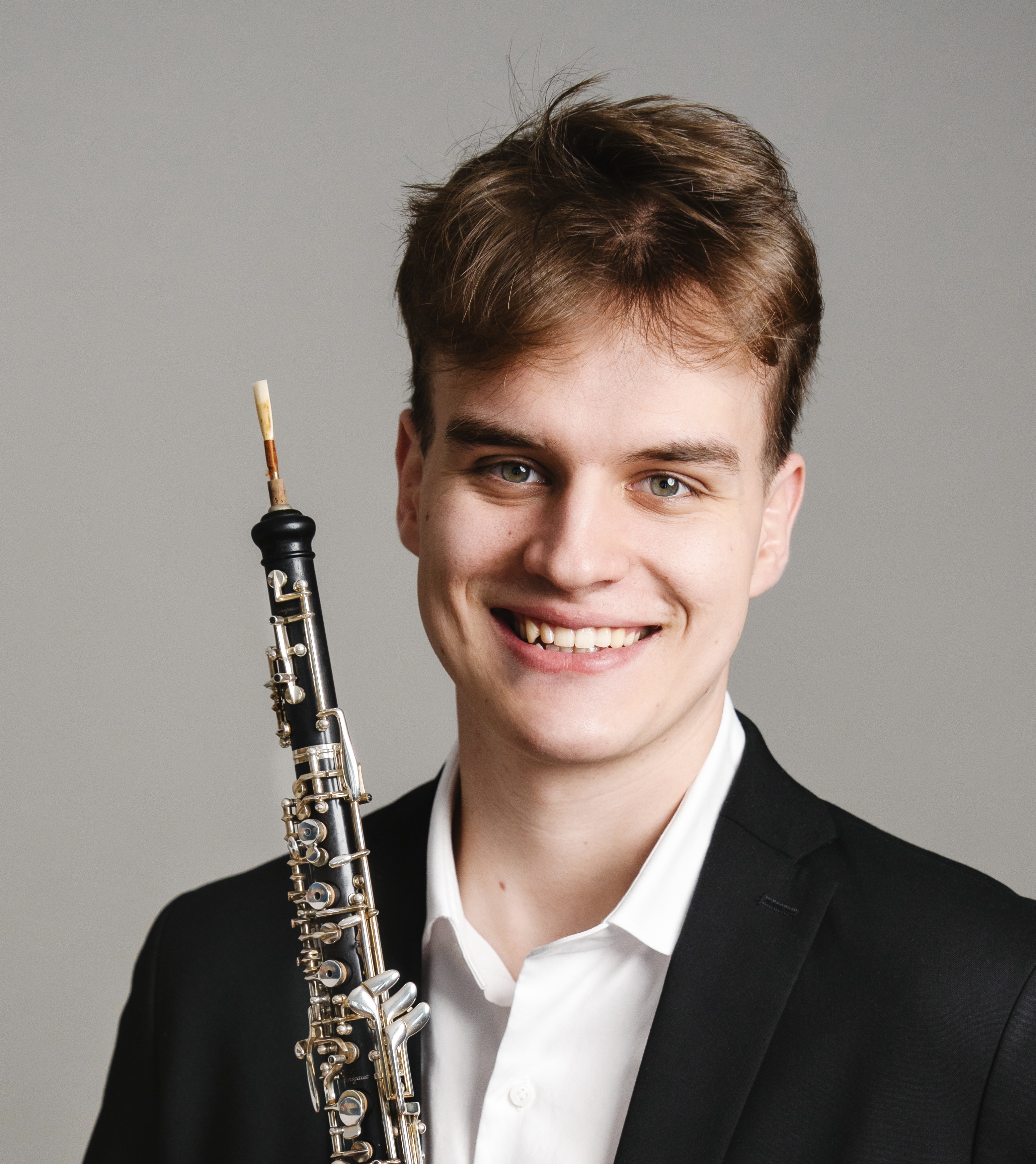
Tevž Kupljenik
3 Oct 19:00
The Kolizej – Book and Film
Literary and film evening with Helena Koder, author of the book Kolizej (2026) and screenwriter of the documentary film Kolizej (1984)
Kolizej
Slovenia, 1984, 40'
Directed by: Žare Lužnik
Written by: Helena Koder
Director of Photography: Valentin Perko
Production: RTV Ljubljana
The screening, part of the opening programme of Razpoke, a festival dedicated to renovation and sustainable building, will be followed by a Q&A session.
Moderated by: Ajda Bračič
Featured guests: Helena Koder and Miloš Kosec
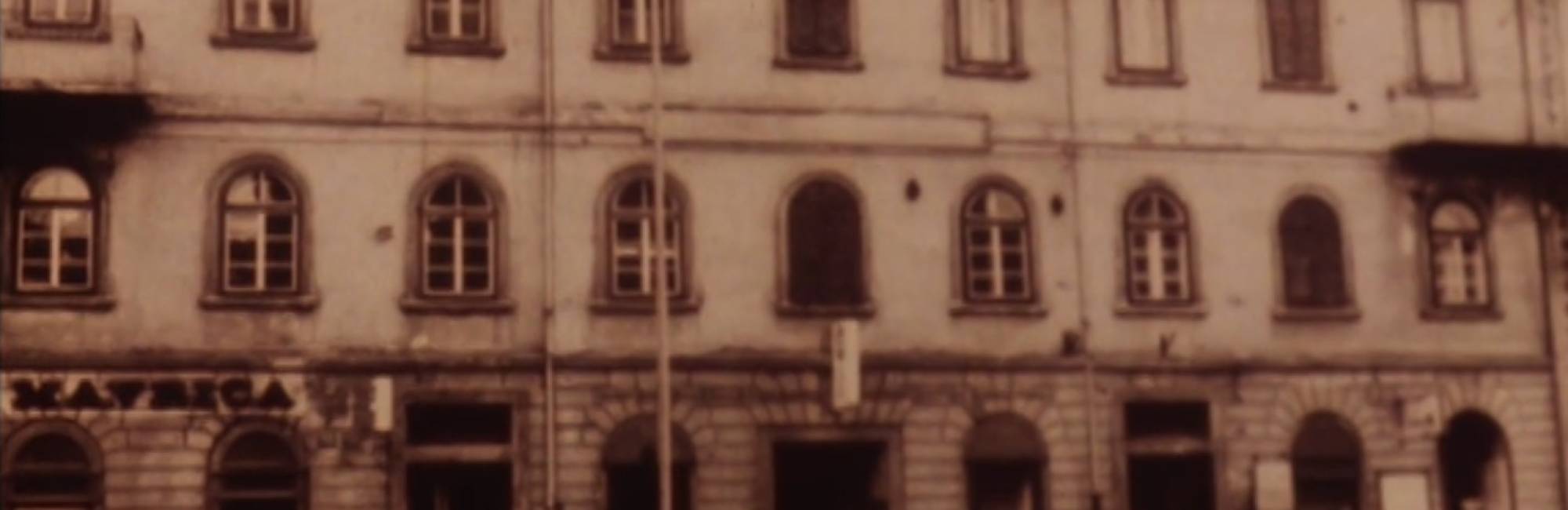
The Kolizej was an eclectic building in the heart of Ljubljana, erected in the mid-19th century during the tenure of Mayor Hradecký. Originally intended for the Austro-Hungarian army as a temporary barracks and staging post on the route to Trieste, it later also served commercial and residential purposes. Following the Second World War and the nationalisation of private property, the building gradually became neglected housing for working-class families and the socially disadvantaged.
When screenwriter Helena Koder and director Žare Lužnik decided to make a documentary film in 1984, the building was barely habitable. By the mid-1980s, it was home to a diverse community of residents from different ethnic and social backgrounds who were forced to live side by side.
Forty years later, Helena Koder decided to write a book about the Kolizej. On one level, it is a memoir of the author’s creative process. In its final third, however, the book becomes much more: first, an account of the building’s origins and of the visionary predecessors, investors, philanthropists, urban planners and mayors who, through bold projects, succeeded in putting provincial Ljubljana on the map of the Austro-Hungarian Monarchy. At the same time, it offers a sharp critique of post-transition Ljubljana and the provincial mindset of today’s investors and mayors, whose decisions led to the demise of the Kolizej and its replacement by a development driven by profit and intended for a privileged few.
In cooperation with Mladinska knjiga.
In Slovenian, without translation.
Buy tickets
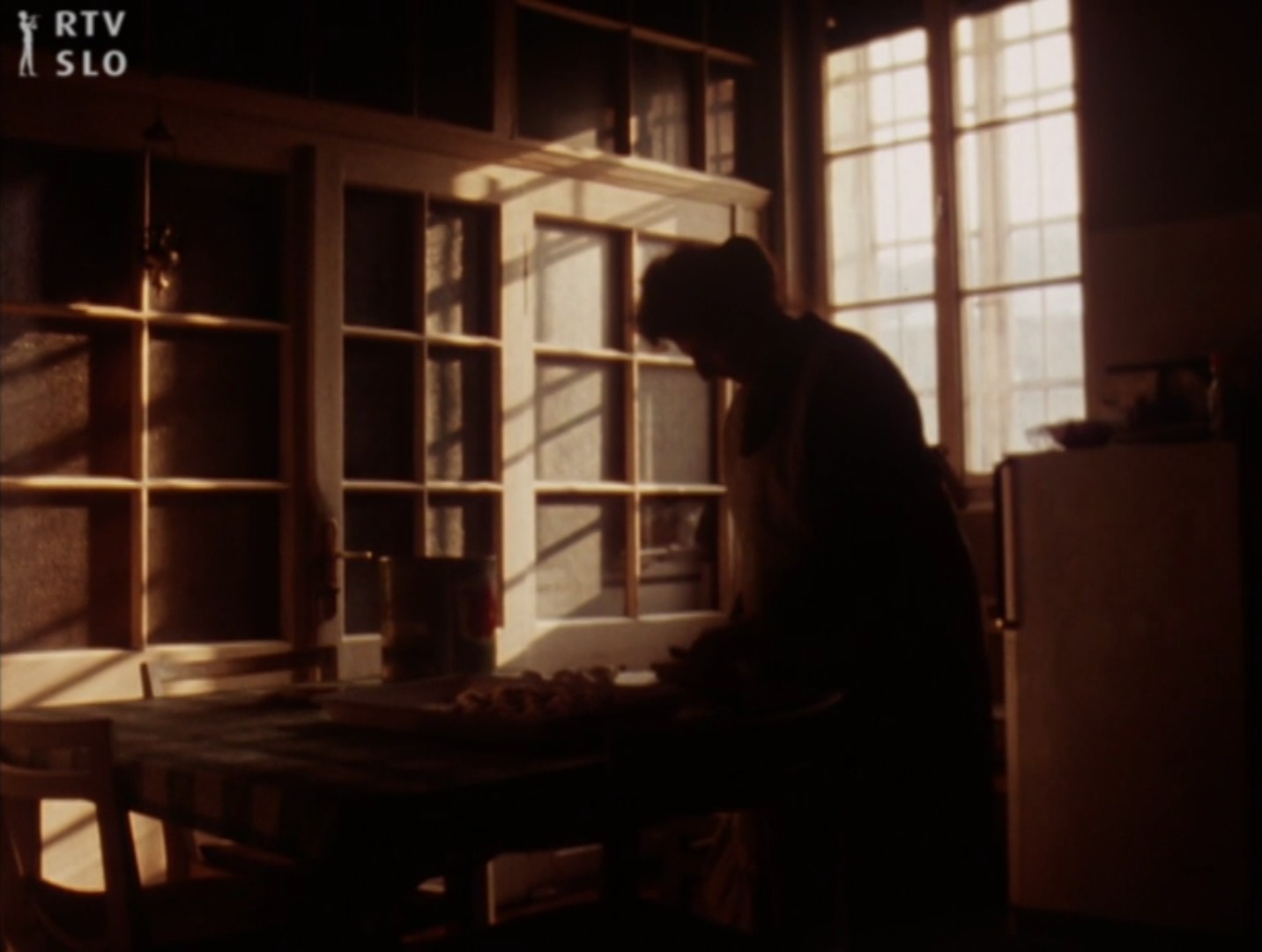
Kolizej (Žare Lužnik, 1984)
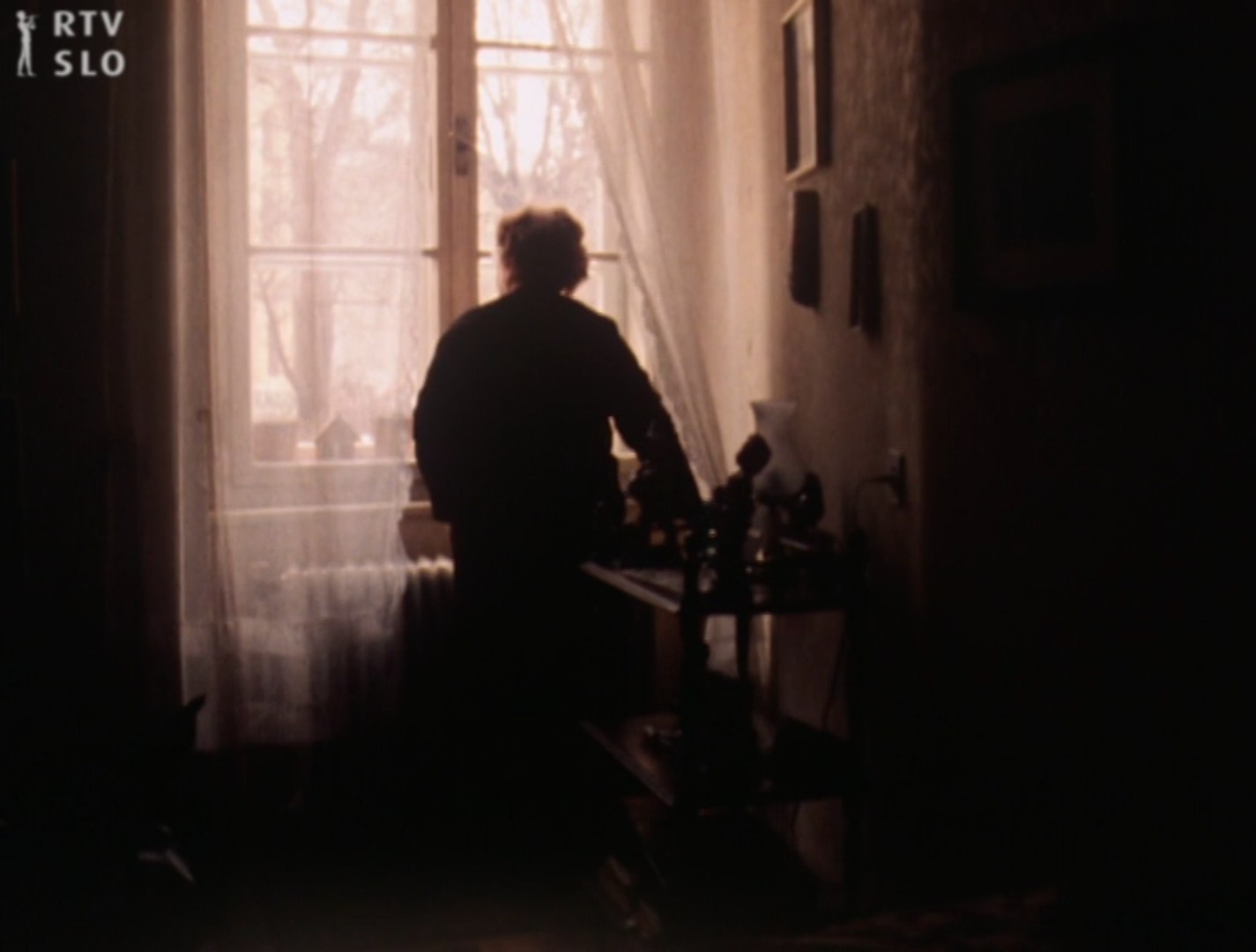
Kolizej (Žare Lužnik, 1984)
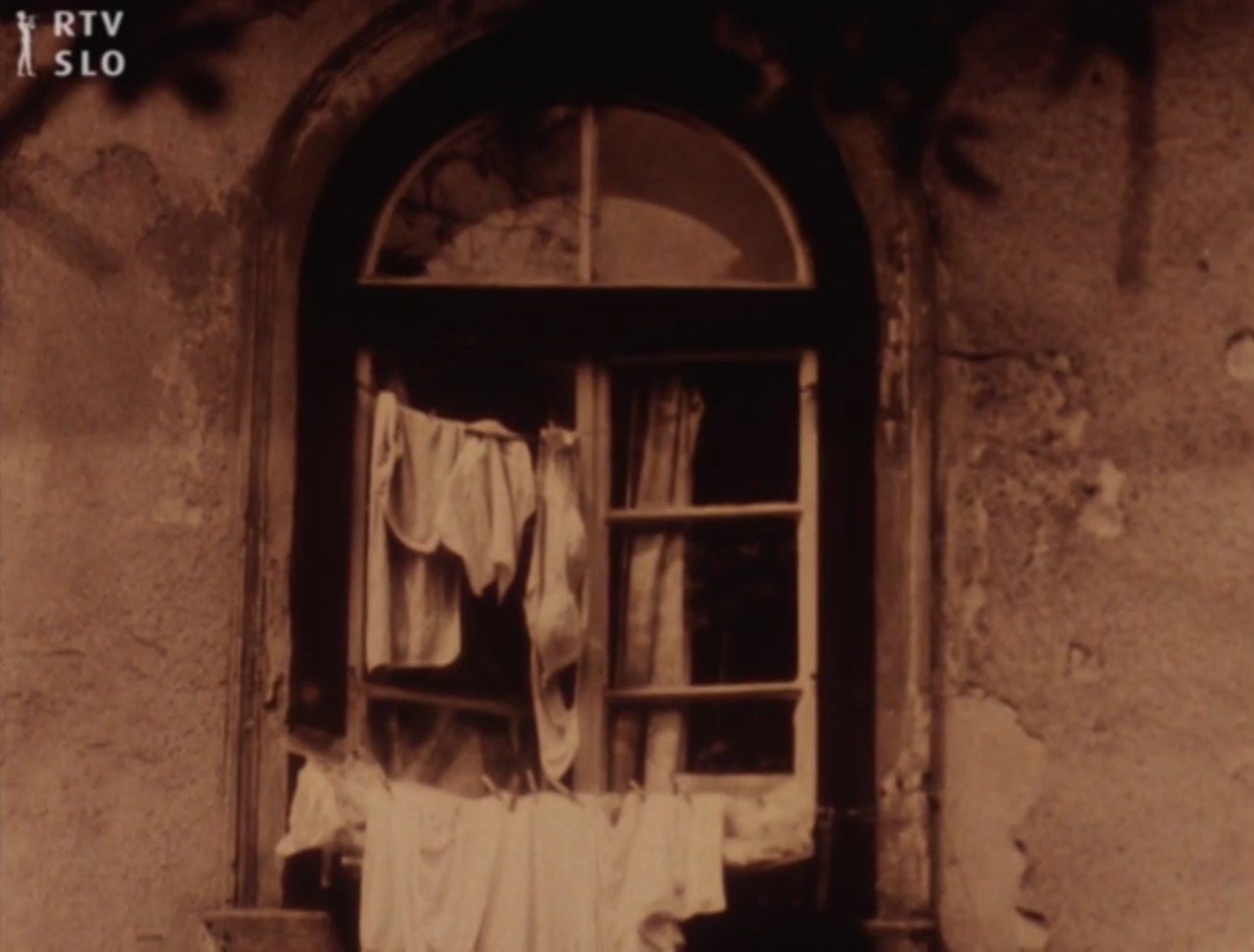
Kolizej (Žare Lužnik, 1984)
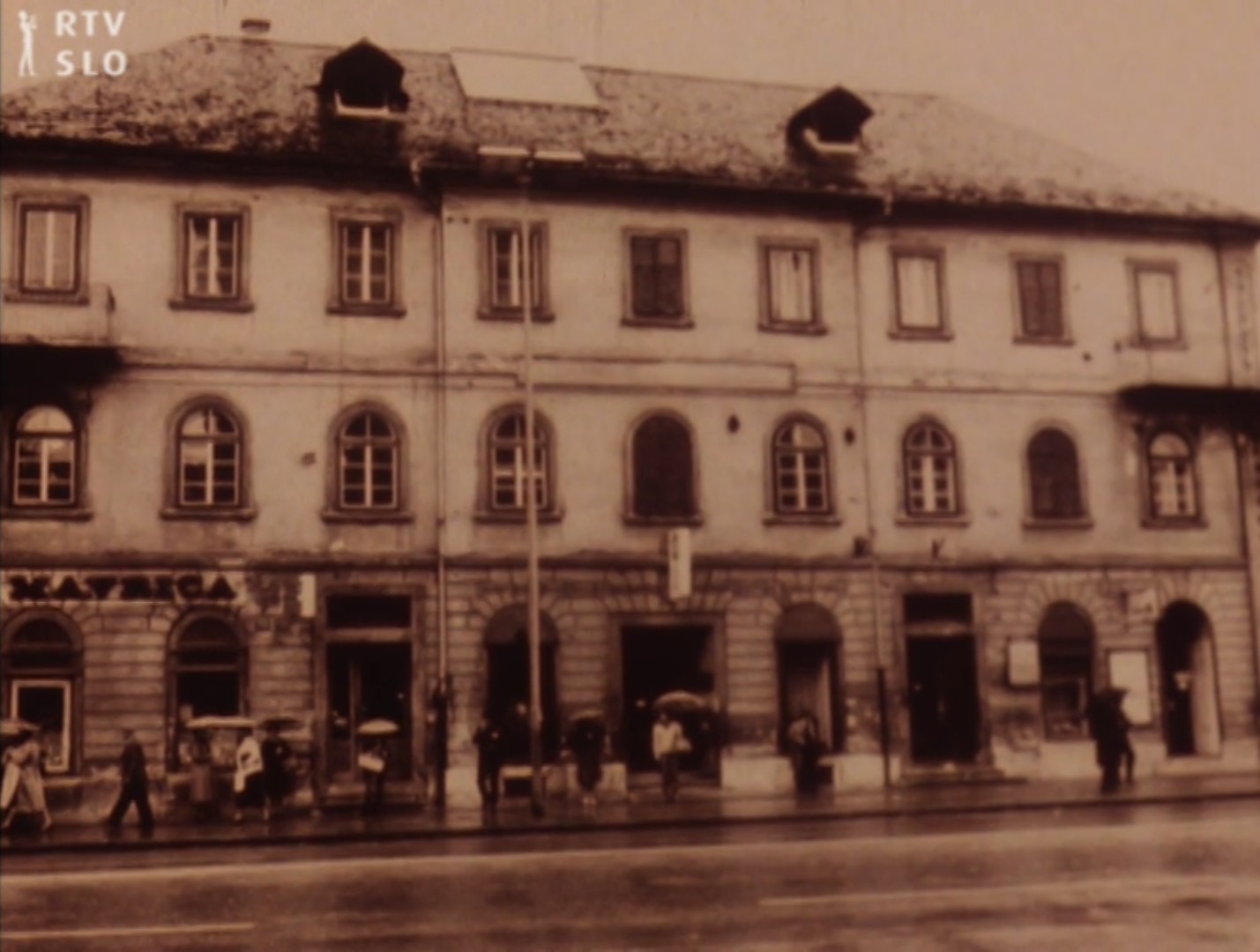
Kolizej (Žare Lužnik, 1984)
In cooperation with Mladinska knjiga

For ages 11–15
Kdo riše skrivnostne grafite po mestu? Kdo je vdrl v spletno redovalnico? In zakaj imajo odrasli vedno občutek, da ničesar ne razumejo? #ROBIKAPUCAWASHERE je napeta, duhovita in zelo sodobna predstava o mladih, ki se odločijo, da bodo namesto tišine izbrali upor. Telefoni, splet, grafiti, skrivnosti in pravi mali mestni Robin Hood – vse skupaj v zgodbi, ki je bolj podobna napeti seriji kot klasični lutkovni predstavi.
Buy tickets
#ROBIKAPUCAWASHERE
3 Apr
18:00
Abonma Ivan
Show more
12,00 EUR

Ilustracija Katja Klopčič

Foto Boštjan Lah

Foto Boštjan Lah

Foto Boštjan Lah
Text by: Jera Ivanc
Directed by: Nika Bezeljak
Dramaturg: Jera Ivanc
Performed by: Barbara Jamšek and Vesna Vončina
Visual identity by: Samira Kentrić
Music by: Vasko Atanasovski
Set design: Nika Zuljan
Costume design: Samira Kentrić and Mojca Bernjak
Video animators: Nika Zuljan and Aljaž Fredi Novak
Production: Puppet Theatre Maribor


11 Dec 19:30
Critical Cabaret:
Adania Shibli
Moderator: Srećko Horvat
Palestinian author Adania Shibli, a defining literary and intellectual voice of our time, joins philosopher Srećko Horvat for a conversation on literature, memory, violence, and the politics of narration.
Shibli is the author of the celebrated novels Touch, We Are All Equally Far from Love, and Minor Detail, the latter shortlisted for the International Booker Prize and widely praised for its unsettling exploration of historical erasure, colonial violence, and the fragile conditions of narration. Her writing moves through silence, absence, intimacy, and fear, revealing how occupation enters language, bodies, landscapes, and everyday life.
Alongside her literary work, Shibli has also developed an important academic and intellectual practice while teaching at Birzeit University in Palestine and engaging in questions of aesthetics, ethics, language, and coloniality across both fiction and critical thought. Her work persistently challenges the limits of representation, exploring fragmentation, narrative displacement, and the politics of form in relation to violence and history.
The discussion will focus on the themes emerging from Shibli’s writing: displacement, archival violence, invisibility, and the struggle over memory, language, and perception itself. Moving between literature and political thought, Shibli and Horvat will reflect on what storytelling can still make possible in a time marked by war, censorship, and mass destruction.
With a new novel forthcoming this autumn, the Ljubljana conversation will also offer an unique opportunity to reflect on the new directions, questions, and forms emerging in Shibli’s latest work.
Buy tickets

Foto Fondation Jan Michalski © Wiktoria Bosc

Founder and main co-funder of Cankarjev dom’s Arts and Culture programme

