
Critical Cabaret:
Adania Shibli
Moderator: Srećko Horvat
Writer, journalist and one of the most uncompromising critical voices in Southeast Europe, Andrej Nikolaidis joins philosopher Srećko Horvat for a conversation about literature, fascism, violence, collective memory and the persistence of evil.
Born in Sarajevo in 1974, Nikolaidis is a Montenegrin writer and columnist based in Ulcinj. His work explores the intersections of politics, history and the darkest dimensions of human nature, combining biting irony, dark humour and an uncompromising critique of social and ideological structures. He received the European Union Prize for Literature in 2011 for his novel The Son.
The conversation will, among other topics, focus on his latest novel, Safari in Sarajevo: How to Kill a Vampire, a dark literary exploration of one of the most disturbing episodes associated with the siege of Sarajevo: the so-called Sarajevo Safari, referring to allegations that wealthy foreigners paid to shoot at civilians from positions surrounding the besieged city.
Using this horrifying subject as its starting point, Nikolaidis examines fascism, the psychology of violence and a world in which human suffering becomes a spectacle. Sarajevo, the city of his birth, is both the setting and the point of departure for a wider reflection on the persistence of evil, historical revisionism and the ways societies confront - or refuse to confront - their past.
The discussion will address questions that reach far beyond the novel: How does one write about crimes that exceed the limits of the imaginable? How does fascism survive its apparent historical defeat? Can literature still serve as a space of resistance, truth and moral responsibility?
Bringing together Nikolaidis's uncompromising literary and political vision and Horvat's philosophical perspective, this edition of Critical Cabaret will explore a world in which the past is never truly over and evil is never entirely defeated.
Critical Cabaret: Andrej Nikolaidis
7,00 EUR
5,00 EUR* * EUR for younger than 25 and older than 65, as well as pensioners.
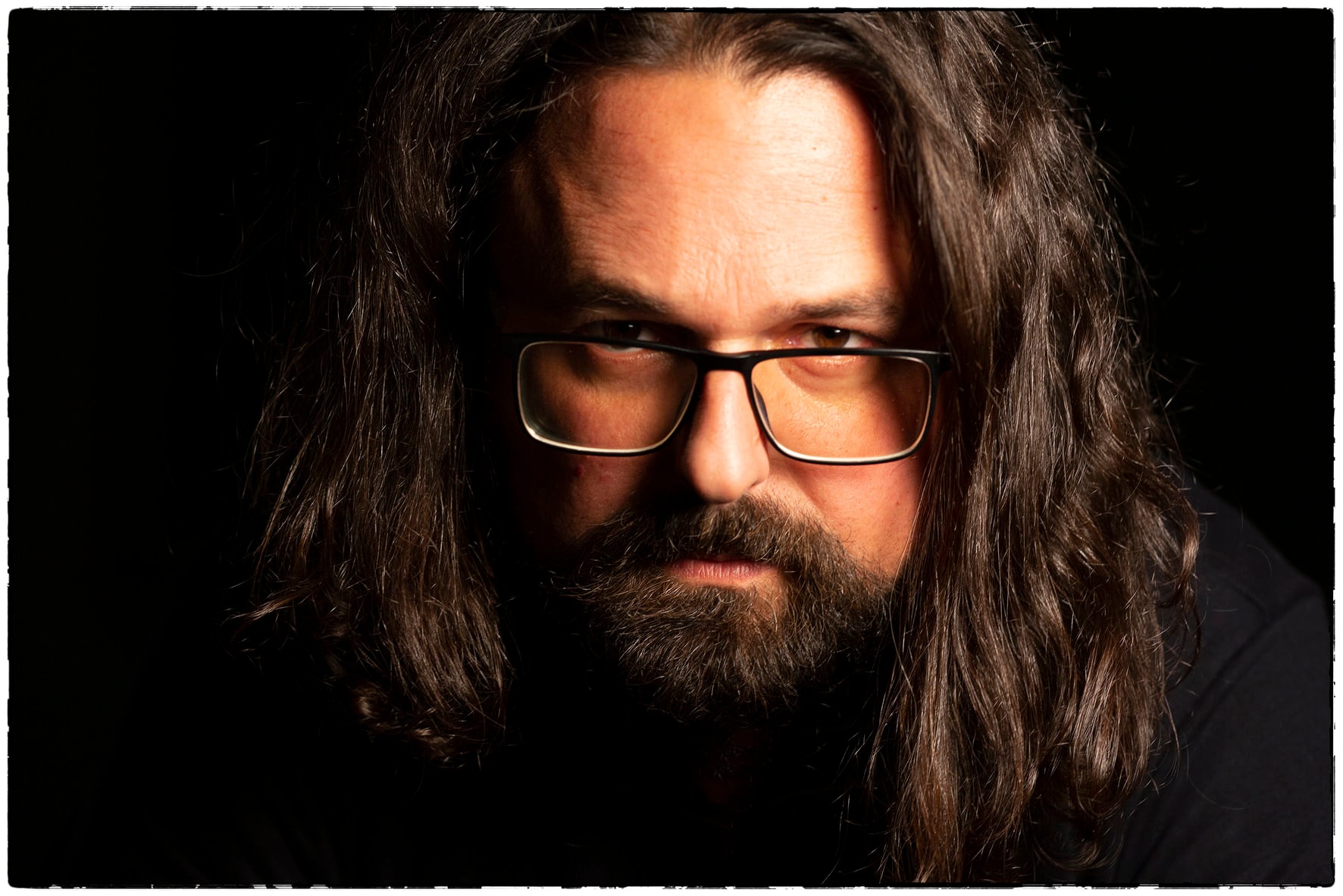
Andrej Nikolaidis


Conversation led by: Matjaž Berger
Guest: Aleksander Čeferin, president of UEFA

Founder and main co-funder of Cankarjev dom’s Arts and Culture programme

